

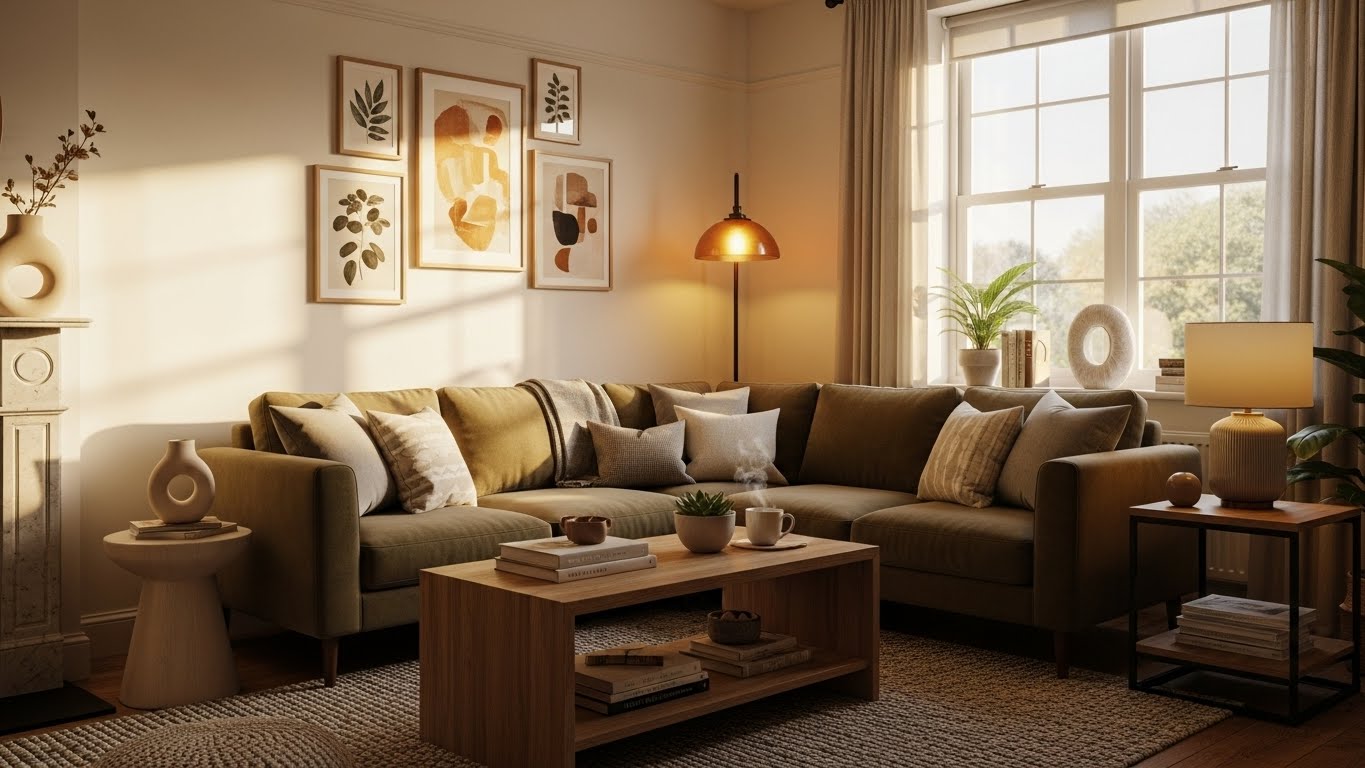
Starting a new year doesn’t always mean starting in a new place. For many renters, the most realistic reset happens right where they are—by making small, thoughtful changes that improve daily living without moving, renovating, or overspending.
Staying in the same apartment can actually be an advantage. You already understand the space, the light, the storage limits, and the rhythms of daily life. With a few intentional adjustments, the apartment you’re already in can feel more supportive, comfortable, and aligned with how your life looks now—not how it looked last year.
What does “New Year, same apartment” mean?
It means improving how your current space supports your routines, comfort, and lifestyle through simple, renter-friendly changes rather than major upgrades or relocations.
Key Points
- Small apartment changes can create noticeable daily improvements
- Renter-friendly updates don’t require permanent modifications
- Function often matters more than décor
- Budget-conscious refreshes can still feel meaningful
- Apartment living improves when space matches real routines
Apartment Reset for the New Year
A reset doesn’t have to be dramatic to be effective. In fact, the most lasting changes tend to be the least disruptive. Resetting your apartment for the new year is about reassessment. Which parts of your space feel easy to use? Which parts quietly create stress or friction? Identifying those pressure points allows you to improve comfort without changing where you live.
In thoughtfully designed communities like eight70 Apartments in Westwood, layouts and shared spaces already support practical living. A reset simply helps renters take fuller advantage of what’s already there.
Renter-Friendly Apartment Updates
Renter-friendly updates focus on flexibility. They improve daily life without risking deposits, violating leases, or committing to changes you can’t reverse.
Examples of effective updates include:
- Adjusting furniture placement to improve movement and sightlines
- Creating clearer storage zones so items return to the same place
- Replacing worn soft goods that affect comfort, such as bedding or curtains
- Improving lighting for different times of day, especially work-from-home hours
Shared spaces can also play a role. Using community features—like the modern apartment amenities —can shift certain activities out of your apartment, reducing clutter and making your personal space feel calmer.
Small Apartment Improvements
Small improvements usually come from paying attention to everyday friction.
Consider moments when your space feels slightly inconvenient:
- Items that never seem to have a “home”
- Furniture that blocks natural pathways
- Areas that serve multiple purposes but lack clear boundaries
Layouts designed with efficiency in mind make these adjustments easier. Reviewing available apartment floor plans can help renters rethink how space could flow better, even if they’re staying in the same unit.
Sometimes improvement starts with awareness rather than change.
Easy Apartment Refresh Ideas
Refreshing an apartment doesn’t mean starting over. Often, it means editing.
Effective refresh ideas include:
- Removing rather than adding décor
- Rotating items between rooms to create visual novelty
- Reducing surface clutter to highlight light and space
- Creating one intentionally calm corner for rest or focus
If visual inspiration helps, browsing apartment photos can offer perspective on how light, layout, and spacing influence the overall feel of a home.
Budget Apartment Decor Tips
A limited budget can actually encourage better decisions. Instead of chasing trends, renters can focus on what directly improves comfort.
Budget-conscious approaches:
- Update one zone at a time instead of the entire apartment.
- Prioritize changes that affect daily use, like seating or lighting
- Avoid impulse décor purchases that don’t solve real problems
When comfort improves, apartments often feel refreshed without looking drastically different.
Small Changes, Big Impact Apartment Living
Big impact usually comes from changes that reduce mental load.
Examples include:
- A consistent place for keys, bags, and essentials
- Clear walkways that improve movement and reduce visual clutter
- Storage solutions that match actual habits instead of ideal ones
When your space supports routines naturally, apartment living feels calmer and easier to maintain over time.
Apartment Living Tips
Apartment living works best when personal space and surroundings complement each other.
Living in Westwood offers walkability, cafés, and everyday conveniences. Being close to neighborhood destinations can reduce the need for oversized furniture, home entertainment setups, or extra storage—helping apartments feel lighter and more functional.
For continued renter-focused guidance, the Hilgard Homes apartment blog offers practical lifestyle insights tailored to long-term renters and urban living.
FAQ
Can renters refresh an apartment without redecorating?
Yes. Adjusting layout, decluttering surfaces, and improving lighting often creates a noticeable refresh without buying décor or making permanent changes.
What are the easiest renter-friendly updates to start with?
Start with areas you use daily, such as entryways, workspaces, and bedrooms. Improving function in these spaces usually delivers the biggest impact.
Do small apartment changes really make a difference?
They can. Changes that reduce friction in daily routines often improve comfort more than visual upgrades alone.
Is it worth refreshing an apartment if I’m not moving soon?
Yes. Long-term renters often benefit most from small updates that make everyday living easier and more enjoyable.
How can location support apartment living resets?
Living near walkable neighborhoods and shared amenities can reduce the need for extra furniture or storage, making apartments feel more open and manageable.
Find Comfort in the Space You’re Already In
If you’re staying put this year, small changes can help your apartment feel newly aligned with your life. Exploring apartment living options at eight70 Apartments can also provide insight into how thoughtful design supports comfort without requiring a major move.