

The post Moving to UCLA? Your Off-Campus Apartment Hunting Checklist appeared first on eight70 Blog.
]]>
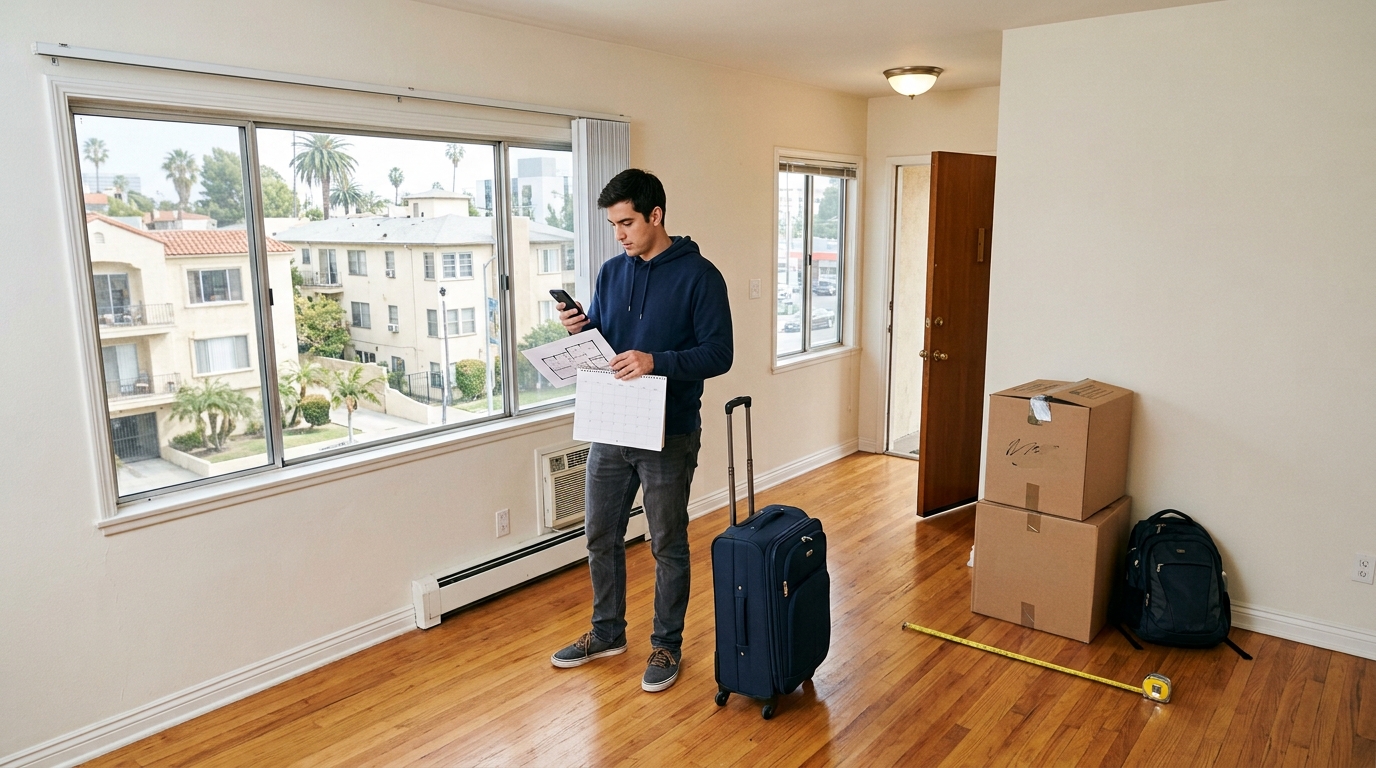
Moving near campus takes more than finding a rental home that looks good online. Timing, budget, destination, transportation, floor plan, application requirements, and arrival preparation can all shape the search.
When comparing off-campus apartments near UCLA, focus on the home that fits your timeline, commute, budget, and daily routine. Start with apartments near UCLA in Westwood, then use this seven-step checklist to build a realistic shortlist.
Quick Answer: How Should You Apartment Hunt Near UCLA?
Start with your target arrival date and work backward. Build a full housing budget, identify the part of campus or Westwood you need to reach regularly, and separate requirements from preferences.
Review listings using the same criteria, then tour the offered home or the closest available floor plan when possible. Check the quoted rent, required fees, open units, and residence-specific features. Before committing, read the application and agreement carefully, then arrange utilities, key pickup, and condition documentation.
Step 1 — Set Your Move-In Timeline
Start with the date you need to be in Los Angeles. The 2026–27 academic calendar shows Fall Quarter began September 21, 2026, with instruction beginning September 24, but future dates may differ.
Instead of following a rule such as “start searching in January,” use the official calendar for your program and choose an arrival date that leaves enough time to settle in.
Work backward from:
-
Your program, academic, work, or research start date
-
Your preferred arrival date
-
Travel or relocation plans
-
Any buffer you want before classes or work begin
Private rentals follow their own notice periods and leasing cycles. A home that works for one student’s schedule may not work for another, so let your timeline—not a universal month—guide the search.
Step 2 — Build Your Real Housing Budget
Advertised rent is only one part of the monthly total. Build a spending plan that covers the full cost of getting into and living in the residence.
-
Rent: Use the written quote for the home and rental term you are considering.
-
Upfront expenses: Include deposits, application-related charges, movers, and setup purchases.
-
Monthly extras: Plan for utilities, internet, renters insurance, and pet charges when applicable.
-
Transportation: Add transit, parking, fuel, or other regular travel expenses.
-
Furniture: Include buying, delivering, storing, or renting pieces if the home is not furnished.
For a deeper breakdown, use the guide to budgeting for an apartment near UCLA. Keep your worksheet focused on the amounts that apply to your own agreement and routine.
Step 3 — Choose a Location Around Your UCLA Routine
“Near UCLA” is not specific enough by itself. The campus is large, and the right location depends on where you regularly need to go. Start with your real destination: classes, a lab, workplace, UCLA Health, an internship, or another frequent stop.
Test the trip at the times you expect to travel. Consider whether walking feels realistic, which transit options support your schedule, whether you need a vehicle, and what that choice adds to your monthly total.
UCLA Transportation publishes travel options, but the best route depends on your starting point, destination, schedule, and eligibility for any transit program.
The property website describes the community as being within walking distance of campus, but the trip will differ by destination. A route to one building or department should not be treated as a universal walking time.
Step 4 — Decide Your Apartment Must-Haves
Before opening dozens of listings, decide which features are requirements and which ones would simply be helpful.
| Must-Haves | Nice-to-Haves |
|---|---|
| Bedroom count | Pool |
| Furnished or unfurnished setup | Fitness center |
| Space for studying or working | Private outdoor space |
| Laundry needs | Extra storage |
| Parking, if needed | Additional study or community work areas |
| Pet compatibility | Select-home upgrades |
| Target arrival date | Preferred view or finish style |
Use the live site to compare available apartment floor plans. The homepage advertises studio, one-bedroom, and two-bedroom searches, while the live listings may show a smaller selection at any given time.
Furnished homes may be offered, but the included setup and open inventory should be checked for the residence you are considering.
Step 5 — Create a Shortlist and Schedule Tours
Once you know your timeline, budget, location needs, and must-haves, narrow the search to a manageable list. Review every property using the same criteria so attractive photos do not outweigh practical details.
For each option, check:
-
Monthly total: Rent, required fees, deposits, parking, utilities, and recurring charges.
-
Specific unit: Ask whether the tour shows the home being offered and what may differ.
-
Floor plan and condition: Look at furniture fit, storage, windows, appliances, laundry, and visible wear.
-
Community features: Review the apartment amenities to consider and ask which features are available in the offered home or require an added charge.
-
Open units: Check current apartment availability and ask whether the listed date works with your schedule.
-
Agreement fit: Weigh the offered term against the period you expect to stay.
Photos and model units are helpful, but they may not show the apartment you would actually get. The live listings note that dimensions, floor plans, fixtures, materials, prices, and open units may differ. Ask for the details tied to the residence in your written offer.
Step 6 — Review the Application and Lease Details
Before applying, make sure you understand the screening process and rental terms for the home you are considering. California Department of Real Estate guidance recommends looking at rent, utilities, required charges and deposits, location, and the unit’s condition.
Check the application process, related charges, quoted rent, agreement length, security deposit, utility responsibilities, parking terms, pet guidelines, roommate or occupancy rules, subleasing terms, arrival date, and required addenda. A rule used by another building may not apply here.
Read every document provided to you and ask about anything unclear. If a repair, feature, parking arrangement, or other promise matters to your decision, find where it appears in the written agreement.
This checklist is general renter education, not legal advice.
Step 7 — Prepare Before Move-In
After signing, shift from searching to arrival preparation. Before receiving the keys:
-
Check the arrival date and key-pickup instructions
-
Identify the utilities you are responsible for
-
Review parking and building-access arrangements
-
Coordinate shared responsibilities with any other occupant
-
Save important leasing and maintenance contacts
-
Keep copies of the signed agreement and related documents
If the agreement makes you responsible for starting electric or water service, LADWP provides residential start-service information. Follow the property instructions for the services that apply to your home.
When you receive the keys, document existing conditions with dated photos or video and save any written repair promises. California DRE guidance also recommends inspecting the rental and recording its condition at the beginning of the tenancy.
Ready to Compare Apartments Near UCLA?
Located at 870 Hilgard Avenue in Westwood Village, eight70 advertises studio, one-bedroom, and two-bedroom searches, although the live selection may be narrower. Furnished options, prices, included features, and offered terms depend on the residence and timing.
Once your shortlist matches your schedule and budget, schedule an apartment tour and ask the leasing team about the home currently available.
Frequently Asked Questions About Apartment Hunting Near UCLA
When Should I Start Apartment Hunting Near UCLA?
Work backward from your target arrival date instead of relying on one universal month. Review the academic calendar, then look at private-rental openings for the period you actually need.
What Should I Budget for Besides Rent Near UCLA?
Plan for utilities, internet, transit or parking, application-related expenses, deposits, renters insurance, furniture, pet charges when applicable, and other setup expenses.
What Should I Look for During an Apartment Tour?
Review the floor plan, storage, furniture fit, laundry, utility responsibilities, parking, community features, condition, required charges, and offered start date. Ask what differs if you tour a model or another residence.
Should I Choose an Apartment Based Only on Distance From UCLA?
No. Consider your actual destination, typical travel time, transportation options, parking needs, schedule, and weekly errands.
What Should I Review Before Applying for an Apartment?
Check the offered home, written price, required charges, screening process, rental term, deposit, utilities, parking, pet or roommate guidelines, and intended arrival date before submitting an application.
Disclaimer
Academic dates, rental availability, pricing, fees, deposits, agreement terms, utilities, parking information, transportation options, and property details may change. Check the latest property information with the leasing team and use official university or government resources for time-sensitive details. This article provides general renter guidance and is not legal advice.
External sources referenced:
- UCLA Annual Academic Calendar
- UCLA Transportation — Getting to UCLA
- California Department of Real Estate — Looking for and Inspecting Rental Units
- LADWP — Start or Add Residential Service
The post Moving to UCLA? Your Off-Campus Apartment Hunting Checklist appeared first on eight70 Blog.
]]>The post Student Life in Westwood: Balancing College and City Life appeared first on eight70 Blog.
]]>
College in Los Angeles can involve much more than classes and homework. A typical week may include lectures, group projects, a part-time job or internship, errands, exercise, social plans, and time to recharge.
For people living near UCLA, the goal is not to fit everything into every day. It is to build a weekly plan that gives academics, work commitments, everyday responsibilities, and city life their own space. Westwood Village can make some transitions easier because campus, food, shops, cafés, and other daily destinations are concentrated nearby.
Quick Answer: How Can Students Balance College and City Life in Westwood?
Start with fixed academic and work commitments, then add focused study periods, errands, exercise, social plans, and rest. Group nearby tasks together and leave extra time for longer Los Angeles trips.
Living near UCLA and Westwood Village may reduce some of the back-and-forth between campus, home, groceries, meals, and local plans. A balanced week should also leave room for unexpected coursework and downtime.
Quick Student Routine Checklist
Plan for:
- Class and study blocks
- Internship or work hours
- Grocery and laundry time
- Exercise and rest
- Social plans
- Commute or walking time
- One weekly buffer block
Start With a Weekly Plan That Protects Your Priorities
A useful weekly plan begins with commitments that cannot easily move:
- Classes, labs, office hours, and exams
- Work shifts or internship hours
- Essential errands and appointments
- Exercise, meals, and rest
Once those anchors are visible, add flexible tasks around them. A long break between classes may work for an assignment, while a shorter opening may be enough for email, planning, or review.
Keep one block open each week. That buffer can absorb a project that takes longer than expected, a grocery run, laundry, a changed meeting, or a low-energy day.
Good time management also means knowing when not to add another activity. A full calendar is not automatically a balanced one.
Use Westwood’s Location to Reduce Transition Time
Think about the trips you repeat most often: home to campus, campus to food, home to groceries, or home to work.
Short local trips may be easier to combine on foot when the route makes sense. UCLA describes Westwood Village as an area near campus with restaurants, coffeehouses, shops, and everyday services.
For longer trips to Century City, Santa Monica, Beverly Hills, or elsewhere on the Westside, include transportation in your weekly plan. Traffic on Wilshire Boulevard, Westwood Boulevard, and the 405 can change throughout the day. The goal is to reduce unnecessary transitions, not eliminate commuting completely.
Choose Study Spaces Based on the Work You Need to Do
You do not need to work in the same place every day.
| Task | Space to Consider |
|---|---|
| Exam preparation | Library or quiet study room |
| Long assignment | Home desk or focused study space |
| Light reading | Café |
| Group work | Shared study area |
| Mental reset | Outdoor or green space |
Choose two or three dependable locations so you spend less time deciding where to work. A library might be your deep-focus option, a café can work for lighter tasks, and home can handle planned work blocks.
Westwood also offers places to step away from school. The Hammer Museum, at Westwood and Wilshire boulevards, can be a cultural break rather than another place to open a laptop.
Make Work Commitments Fit Around College
When evaluating a job or internship, count more than the hours listed on the calendar. Transportation, getting ready, meetings, meals, and follow-up work also take time.
When possible, cluster work on days with fewer classes instead of creating several cross-city trips in one day. Use smaller campus gaps for emails or review rather than expecting every opening to support deep work.
Choose work commitments that fit the academic workload rather than accepting every opportunity at once.
Enjoy Westwood and Los Angeles Selectively
City life does not have to mean a major outing every weekend.
Westwood Village makes smaller plans possible: coffee with friends, dinner after class, a movie, a museum visit, or a short walk. Larger outings to Santa Monica, Beverly Hills, Downtown Los Angeles, or other Westside destinations can be saved for lower-pressure days.
Outdoor breaks can also be simple. A neighborhood walk, Holmby Park, outdoor reading, or a short weekend activity can provide a change of pace without taking over the day.
For more ideas, explore outdoor activities and green spaces near Hilgard and Westwood.
Keep Errands and Spending Manageable
Group predictable tasks instead of making separate trips throughout the week. Grocery shopping, pharmacy stops, laundry, household supplies, and meal preparation can often be planned together.
Plan which meals will happen at home, on campus, or while meeting friends before the week becomes busy.
College renters should also account for expenses beyond tuition, including housing, groceries, transportation, utilities, textbooks, and personal spending.
Create a Home Setup for Focus and Downtime
A home does not need to function like a library all day. Give focused work a defined area, then protect other spaces for sleep, meals, and rest.
- Create a clear work zone: A desk, useful lighting, and a clutter-free surface can make it easier to begin and end focused work.
- Use storage intentionally: Keep coursework, laundry, and everyday items from competing for the same space.
- Choose flexible furniture: Multi-use pieces and vertical storage can make a smaller home work harder.
- Use shared spaces with a purpose: A study room can support focused work, while fitness or lounge areas can help separate academics from downtime.
Before arranging furniture, review the available apartment layouts and confirm measurements for the exact home. eight70’s website advertises studio, one-bedroom, and two-bedroom floor-plan options, while live availability can change.
These space-saving furniture ideas can also help define work and rest areas.
eight70 currently lists a conference and study room, fitness center, heated resort-style pool, laundry facilities, and outdoor resident lounge. Features may vary by apartment, so review the current study-friendly and lifestyle amenities before relying on a specific feature.
College renters with pets also need time for feeding, exercise, cleaning, and veterinary care. eight70 currently allows cats and dogs subject to its published limits, fees, weight and breed restrictions, and other requirements. Review these pet-friendly living tips and confirm the current policy directly with leasing.
Build a Balanced Week Around Westwood
Renters considering a Westwood apartment community near UCLA can use the same routine-first approach when comparing eight70: look at how the location, layout, work areas, fitness options, laundry, and shared spaces fit the way you actually spend your week. Bring your priorities when you schedule a tour and confirm the exact apartment and available features.
Frequently Asked Questions About Student Life in Westwood
Is Westwood Convenient for People Attending UCLA?
Westwood provides access to UCLA, restaurants, cafés, groceries, shops, and other everyday destinations. Convenience depends on the exact starting point, destination, route, and transportation needs.
How Can UCLA Students Balance School and Social Life?
Schedule academic commitments first, group errands, plan social activities intentionally, and protect time for sleep and rest. Keeping one buffer block each week can also help when plans change.
Can College Students Manage an Internship While Attending School?
Yes, depending on the academic workload and work commitment. Include commuting, preparation, meetings, meals, and recovery time when deciding whether the workload is realistic.
What Can Students Do Around Westwood During Study Breaks?
Options include coffee, a short walk, the Hammer Museum, local dining, or nearby green spaces. Choose a break that fits the time available rather than creating another packed itinerary.
Is Westwood Walkable for Students?
Many destinations around UCLA and Westwood Village may be reachable on foot, but the experience depends on the exact route, destination, mobility needs, and conditions.
How Can a Small Apartment Support Studying and Relaxing?
Create separate work and rest zones, keep the main work surface clear, use flexible furniture and vertical storage, and use community study or lounge spaces when available.
Source / Accuracy Note
This guide uses current eight70 property information and official UCLA and Hammer Museum sources for Westwood context. eight70 currently advertises studio, one-bedroom, and two-bedroom floor-plan options. Its amenities page lists a conference and study room, fitness center, heated resort-style pool, laundry facilities, and outdoor resident lounge. The current pet policy permits up to two cats or dogs per apartment, subject to published limits, fees, weight and breed restrictions, documentation, and other rules.
Apartment availability, layouts, amenities, pet policies, neighborhood businesses, and transportation conditions can change. Confirm current details before making a housing decision.
The post Student Life in Westwood: Balancing College and City Life appeared first on eight70 Blog.
]]>The post Pet-Friendly Living at eight70 Apartments: How to Keep Your Furry Friends Happy appeared first on eight70 Blog.
]]>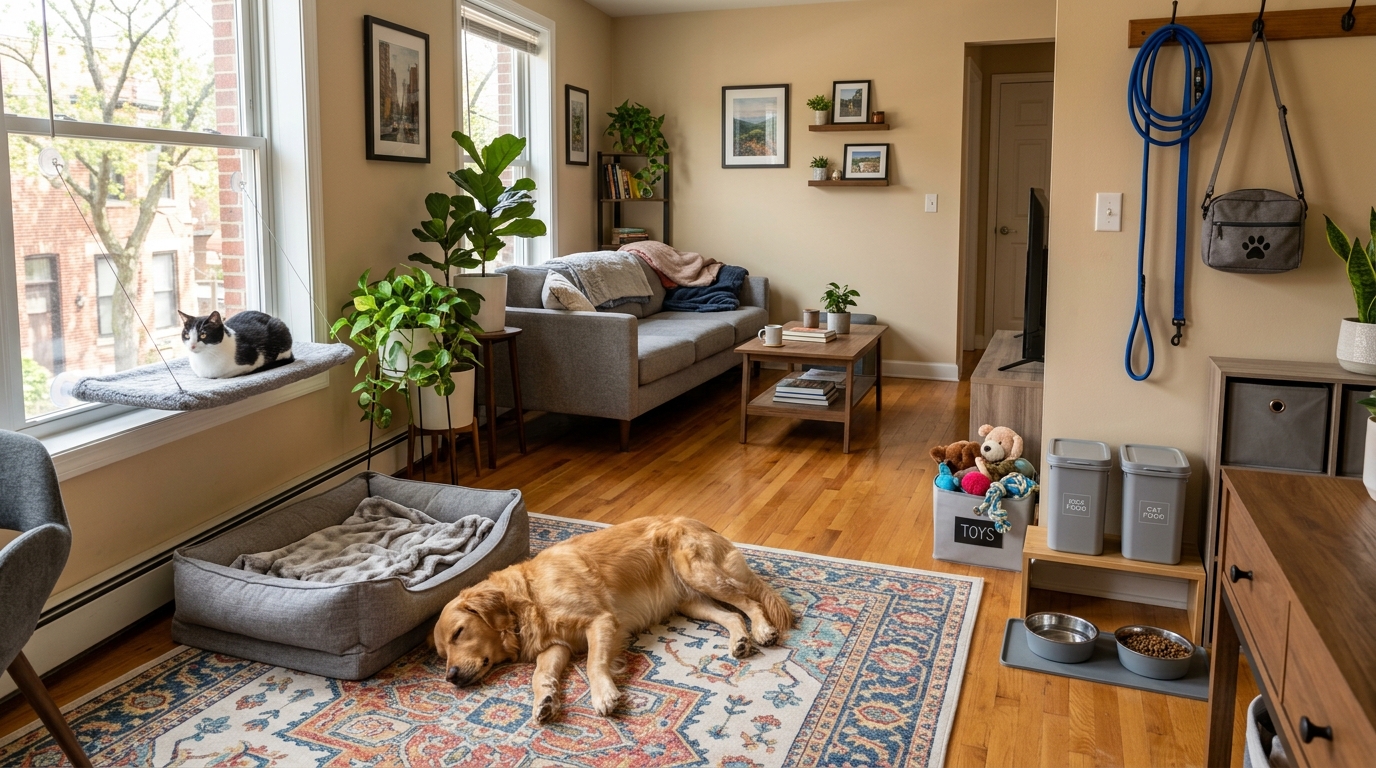
Living in a pet-friendly apartment gives you and your furry friend a place to call home, but a successful setup takes more than choosing a community that permits animals. Space, routines, cleanup, noise, exercise, and current property rules all affect daily apartment living with pets.
Dogs and cats may have different activity, privacy, and bathroom needs. With thoughtful planning, however, you can create a comfortable living space that supports your pet without allowing toys, bedding, and supplies to take over the apartment.
Quick Answer: How Do You Keep Pets Happy in an Apartment?
Keeping your pet happy in an apartment starts with a consistent routine, a comfortable designated space, regular playtime or exercise, and a clean environment. You should also plan bathroom breaks, reduce common noise triggers, provide safe enrichment, and review the apartment’s current pet policy.
The right approach depends on whether you have a dog or cat, along with your pet’s age, activity level, temperament, breed or breed mix, and health needs.
Helpful tips include:
- Set up a quiet sleeping and feeding area.
- Follow predictable feeding and play schedules.
- Provide safe toys and mental enrichment.
- Plan exercise and bathroom breaks.
- Manage pet hair with a simple cleaning routine.
- Respect hallway, elevator, and common-area rules.
- Confirm current pet costs and restrictions before moving.
Review the eight70 Pet Policy Before Moving In
A pet-friendly apartment may still have rules covering the kind of pet permitted, weight, breed, number of animals, documentation, and costs. Review these details early so you can determine whether the apartment and current policy fit your needs.
The official eight70 website currently states that cats and dogs are permitted, with a maximum of two pets per apartment home. It lists a $500 deposit per pet, $50 in monthly pet rent per pet, a 50-pound weight limit per pet, restrictions on exotic animals, and named breed restrictions. Policies and charges can change, so confirm the latest information directly with the leasing team before applying.
What Does “Pet-Friendly” Actually Mean?
The term pet-friendly means a community permits certain pets under its current rules. It does not automatically mean every animal, size, or breed is accepted.
A pet policy may address:
- Cats, dogs, or other permitted animals
- The maximum number of pets
- Weight and breed restrictions
- Required records or documentation
- Pet deposits and monthly pet rent
- Leash and common-area expectations
- Move-in requirements
A pet-friendly label also does not automatically mean a community has a dog park, pet wash stations, or a dedicated pet area. The current eight70 amenities page does not list those features, so renters should not assume they are available.
Pet Costs to Confirm Before Applying
Make sure you understand the difference between a refundable or condition-based pet deposit and recurring pet rent. Ask whether each cost applies per pet or per apartment and whether the listed amounts are current.
The official site currently identifies a pet deposit and monthly pet rent. Avoid treating every pet-related cost as a general pet fee unless the leasing team confirms an additional charge.
Questions to Ask the Leasing Team
Before choosing an apartment with pets, ask:
- Is the online pet policy current?
- Does my dog or cat meet the requirements?
- Are the deposit and pet rent charged per pet?
- What documentation is required?
- Are there rules for elevators, hallways, and entrances?
- Are any restrictions not shown online?
- Which apartment features are available in the selected home?
Questions involving service or support animals should be directed to the leasing team. Do not assume that ordinary pet rules automatically apply.
Create a Designated Space for Your Pet
A designated space can help your pet feel at home while keeping the apartment organized. It does not need to be a separate room. A quiet corner with a comfortable bed, familiar toys, and nearby storage may be enough.
Choose a location away from loud appliances and heavy foot traffic. Keep clear paths around doors, vents, hallways, and frequently used furniture.
Set Up a Comfortable Bed or Cozy Retreat
Use washable pet bedding in a consistent sleeping location. Familiar blankets or toys may help your furry companion settle after a move.
A crate may provide a cozy retreat for some dogs when it is suitable for the animal and introduced responsibly. It should not be used as a substitute for exercise, attention, or bathroom breaks.
Organize Food, Toys, and Pet Supplies
Store food in sealed containers and keep grooming tools, leashes, waste bags, and toys together. A storage ottoman, lidded basket, or compact cabinet can reduce clutter without blocking the living space.
You can also review these space-saving furniture ideas for your apartment when choosing pet-friendly furniture and multifunctional storage.
Keep food and water separate from litter areas. A washable feeding mat can also make cleanup easier.
Use Vertical Space for Cats
Cats often benefit from safe opportunities to climb, scratch, observe, and rest. Stable cat trees, scratching posts, and secure window perches can add usable space without filling the floor.
Review the lease before installing wall-mounted shelving or making other changes. Enrichment should match the individual cat’s abilities and preferences.
Build a Routine for Playtime, Exercise, and Bathroom Breaks
A consistent schedule can help pets understand when to expect food, playtime, outdoor time, and rest. Try to keep the routine realistic enough to follow on busy workdays or class days.
Exercise and enrichment needs vary. A young, active dog may need a different routine from an older dog, while one cat may enjoy climbing and another may prefer short floor-level play sessions.
Daily Routines for Dogs
Build walks, sniffing time, indoor play, meals, rest, and bathroom breaks into your schedule. Several shorter activities may work better than one long session, depending on your dog’s age, energy level, and health.
Before visiting outdoor activities and green spaces near Westwood, confirm whether pets are allowed. Check current leash rules, hours, weather, parking, and temporary closures.
Outdoor adventures should also account for heat, pavement conditions, and your pet’s comfort.
Indoor Enrichment for Cats
Indoor enrichment may include:
- Short interactive play sessions
- Stable climbing and observation areas
- Scratching posts or pads
- Safe toy rotation
- Food puzzles when appropriate
- Secure window access
- Clean and accessible litter areas
Regular physical and mental activity can help pets engage in natural behaviors, but no single routine works for every animal. Ask a veterinarian about health-specific activity needs.
Plan Around Work, Classes, and Other Commitments
Plan care before long meetings, classes, shifts, or errands. Give your pet an appropriate bathroom break or play session before leaving, and arrange help when you will be away longer than your pet can comfortably manage.
A trusted roommate, friend, dog walker, sitter, or other pet services provider may help when your normal schedule changes.
Choose Pet-Friendly Furniture and Keep the Apartment Clean
Living in an apartment with a pet does not require constant cleaning, but a repeatable system makes maintenance easier.
Choose washable materials and keep basic cleaning supplies ready. Store all products securely so your four-legged friend cannot reach them.
Reduce Pet Hair Without Constant Cleaning
To manage pet hair:
- Use washable throws or furniture covers.
- Brush your pet when appropriate for its coat.
- Vacuum on a realistic schedule.
- Keep a lint roller near the entry.
- Wash pet bedding regularly.
- Clean beneath furniture and around feeding areas.
A washable rug can help protect a high-traffic area, but it should lie flat and remain stable underfoot.
Protect Floors and High-Traffic Areas
Use washable mats near food bowls and entrances. Wipe paws after outdoor time when needed and clean spills or accidents promptly.
The official property site lists several in-home features, but it also explains that features and materials may vary by apartment. Confirm flooring, balconies, patios, and other details for the exact home you are considering.
Store Cleaning Supplies Safely
Choose cleaning products suitable for use around pets and follow the product directions. Keep them in a closed cabinet or secure container rather than beside food, bedding, or toys.
For questions about possible exposure or your pet’s health, contact a veterinarian.
Manage Noise and Shared-Building Etiquette
Pets in apartments share walls, hallways, entrances, and elevators with other residents. Good common-area habits can make daily routines smoother for everyone.
Keep dogs leashed where required, avoid leaving a pet unattended in shared spaces, and give other residents and animals enough room.
Reduce Door, Window, and Hallway Triggers
Notice what causes barking or meowing. Common triggers may include hallway footsteps, deliveries, doors, visitors, or activity outside a window.
Depending on the pet, you may be able to:
- Move bedding away from the entrance.
- Reduce direct views of busy areas.
- Use quiet background sound.
- Reward calm behavior.
- Follow a predictable daily routine.
- Provide playtime before a typically busy period.
These steps may reduce some triggers, but they do not guarantee that excessive barking will stop.
Practice Good Elevator and Hallway Habits
Keep your pet close rather than allowing a leash to stretch across the hallway. Let people exit an elevator before entering and wait for another elevator when the space is too crowded.
Do not assume that every person or animal wants to interact. Some pets need more distance to remain calm.
Know When to Ask for Professional Help
Persistent barking, anxiety, house-soiling, destructive behavior, or other concerns may require support from a veterinarian or qualified animal-behavior professional.
Avoid punishment or unsafe tools. The goal is to understand the cause and find an approach suited to the individual pet.
Plan for Time Away From Home
Pet care should be part of your plans for work, school, meals, errands, and social activities. Consider how long your pet is normally comfortable alone and arrange care when needed.
When planning things to do in Westwood Village, account for travel time and how long you expect to be away.
Create a Backup Pet-Care Plan
Your backup plan can include:
- A primary and secondary caregiver
- Feeding instructions
- Bathroom and walking routines
- Veterinarian-provided medication directions
- Building-access instructions
- Emergency contacts
- The location of food, leashes, carriers, and records
Identify a regular veterinary clinic and emergency animal hospital before you need one. Verify current hours and services rather than relying on an old listing.
Prepare Safe Activities for Time Alone
Depending on your dog or cat, safe activities might include a familiar scratching area, approved food puzzle, secure chew, comfortable bedding, or a small rotation of toys.
Do not leave an unfamiliar or easily damaged toy unattended. Keep fresh water available and remove anything the pet could swallow or become tangled in.
Fit Pet Care Into Everyday Life in Westwood
Apartment living with pets becomes easier when care tasks fit naturally into your regular schedule.
Use a renter’s guide to living in Westwood Village to think about how errands, meals, and neighborhood outings may fit around feeding, play, and bathroom routines.
Plan Short Outdoor Breaks Around Your Schedule
There is no universal number of walks that suits every dog. Plan outdoor time around your pet’s needs, your veterinarian’s guidance, the weather, and your daily responsibilities.
Bring waste bags and water when appropriate. Follow posted property and public-space rules.
Verify Rules Before Visiting Outdoor Spaces
Before you take your pet to a park, trail, or dog park, confirm:
- Whether pets are allowed
- Current leash requirements
- Hours and temporary closures
- Weather and pavement conditions
- Parking or transportation options
- Whether the setting suits your pet
Keep a Small Pet-Ready Bag Near the Door
A pet-ready bag can contain:
- Waste bags
- Leash or harness
- Collapsible water bowl
- Small towel
- Water
- Veterinarian-approved treats
- Identification information
Keeping these items together can make bathroom breaks and short outings less stressful.
Help Your Pet Adjust to a New Apartment
Moving introduces new sounds, smells, rooms, and routines. Some pets adjust quickly, while others need more time.
Prepare a familiar designated space before giving your pet access to the entire apartment.
Prepare Before Moving Day
Before the move:
- Review the current pet policy.
- Organize veterinary and identification records.
- Pack familiar bowls, bedding, food, and toys.
- Prepare a carrier, leash, or harness.
- Confirm feeding and medication schedules.
- Identify a veterinarian and backup caregiver.
- Keep cleaning supplies accessible but secure.
Keep the First Few Days Calm and Predictable
Maintain familiar feeding, bathroom, play, and rest routines when possible. Introduce new rooms gradually if your pet seems overwhelmed.
Supervise access to doors, windows, balconies, and patios. Confirm that screens and barriers are secure and permitted.
Keeping routines familiar and providing a quiet area may help during a move, but adjustment can take days, weeks, or longer depending on the animal.
Watch for Signs That Guidance May Be Needed
Contact a veterinarian if your pet shows ongoing changes in appetite, bathroom habits, behavior, or general condition.
A qualified behavior professional may also help with persistent adjustment or anxiety concerns.
Is Pet-Friendly Apartment Living at eight70 Right for You?
Living in a pet-friendly apartment works best when the community’s policy and your pet-care routine fit together.
Before deciding, consider:
- Whether your pet meets the current requirements
- Whether the apartment layout supports its routine
- How you will manage exercise and bathroom breaks
- How you will control pet hair and cleanup
- Who will provide care during longer days
- Whether the deposit and pet rent fit your budget
- Whether you have confirmed current rules with leasing
Renters comparing their options can explore apartment living at eight70 in Westwood and contact the leasing team to confirm current pet policies, available layouts, apartment features, and community details.
Frequently Asked Questions About Pet-Friendly Apartment Living
Are Cats and Dogs Allowed at eight70 Apartments?
The current official policy allows cats and dogs, subject to the maximum number of pets, weight limit, breed restrictions, documentation requirements, and other community rules. Confirm the latest policy with the leasing team before applying.
How Many Pets Can Live in an eight70 Apartment?
The current online policy lists a maximum of two pets per apartment home. Pet rules can change, so verify the limit and all related requirements directly with the leasing team.
How Can I Create Enough Space for a Pet in an Apartment?
Create a defined sleeping area, organize food and supplies, keep walkways clear, and use washable materials. Cat owners may also use stable vertical space for climbing, scratching, and resting.
How Can I Keep a Dog or Cat Entertained Indoors?
Use short play sessions, safe toy rotation, appropriate food puzzles, and a consistent routine. Cats may enjoy climbing and scratching options, while dogs may benefit from sniffing games and suitable indoor play.
How Can I Manage Pet Hair in an Apartment?
Use washable furniture covers, brush your pet when appropriate, vacuum regularly, and wash pet bedding. Entry mats and lint rollers can also make daily cleanup easier.
What Can Help With Excessive Barking in an Apartment?
Identify common triggers, maintain a consistent routine, reward calm behavior, and reduce direct views of busy doors or windows when appropriate. Consult a veterinarian or qualified behavior professional if the barking continues.
Source / Accuracy Note
This guide was created to help renters plan for apartment living with pets using renter-focused guidance, current eight70 property details, local context, and available public information.
Pet policies, deposits, monthly pet rent, weight and breed restrictions, documentation requirements, apartment features, outdoor-access rules, local services, and other details can change. Renters should confirm current information with the eight70 leasing team and seek guidance from a veterinarian or qualified animal-care professional for health or behavior concerns.
The post Pet-Friendly Living at eight70 Apartments: How to Keep Your Furry Friends Happy appeared first on eight70 Blog.
]]>The post 5 Space-Saving Furniture Ideas for Your Eight70 Apartment appeared first on eight70 Blog.
]]>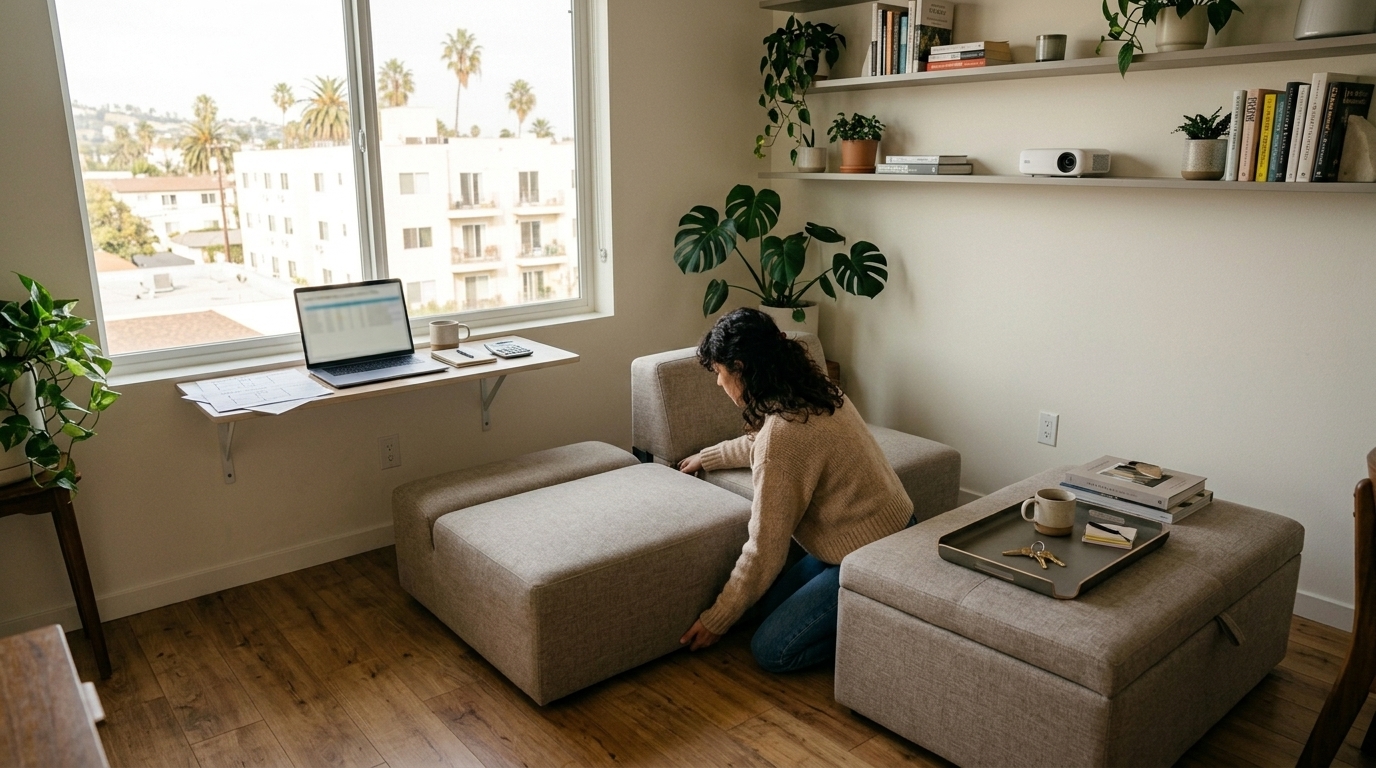
Setting up an apartment in West LA is exciting, especially when you get to make the space feel like your own.
But even a well-designed apartment can start to feel cramped if the furniture is too bulky, too single-purpose, or too hard to move around. The right furniture can help maximize space, protect floor space, and make every square foot feel more useful.
For renters comparing contemporary rental spaces in Westwood, small layout choices can make a big difference. A smart furniture plan can help an apartment feel bigger without making it feel empty or unfinished.
Quick List: What Are the Best Space-Saving Furniture Pieces for an Apartment?
The best space-saving furniture ideas for an apartment include storage beds, modular sofas, storage ottomans, vertical shelves, and extendable tables or mobile kitchen carts. These pieces help renters save space by combining storage, seating, work surfaces, and flexibility in one item. The right furniture should fit the square footage, support daily routines, and leave enough room to walk comfortably. In small spaces, furniture works best when it does double duty without adding clutter.
The Golden Rule: Measure Your Layout Before Buying
Before buying any piece of furniture, measure the room first.
A sofa, desk, dining table, or dresser may look perfect online, but it only works if you can move around it comfortably. Smart furniture should open up your home, not make daily movement harder.
A helpful rule is to leave at least 2 to 3 feet of clear walking space in major paths. This matters near the bed, sofa, entryway, kitchen area, and desk.
Before ordering furniture, check:
- Door clearance: Make sure the item can fit through doors, hallways, and elevators.
- Walkway space: Leave enough room to move without squeezing past corners.
- Furniture depth: Watch for pieces that extend farther than expected.
- Drawer clearance: Make sure drawers can open fully without hitting another item.
- Lease-friendly setup: Check community guidelines before installing heavy wall-mounted pieces.
Wall beds, large shelves, and mounted storage can be useful, but some options require drilling or wall support. Renters should review community policies first and consider freestanding alternatives when needed.
1. Choose a Storage Bed for Hidden Bedroom Organization
A bed usually takes up the most floor space in a bedroom, so it should work harder.
A storage bed can help hide extra linens, seasonal clothing, luggage, shoes, or school supplies without adding another large dresser. This is especially helpful in a small apartment or studio apartment where every square foot matters.
Popular storage bed options include:
- Drawer beds: Built-in drawers slide out from the frame and reduce the need for extra storage.
- Lift-up beds: A hydraulic base lifts the mattress to reveal hidden storage underneath.
- Platform beds: Some designs include shelves, drawers, or built-in cubbies.
- Storage headboards: These can hold books, chargers, and small daily items.
A storage bed can also help create space for a desk or workspace. That extra room can be useful for studying, working from home, or setting up a quiet corner near the window.
When comparing layouts and everyday features, renters can also review floor plans and community amenities to understand how their furniture choices may fit the space.
2. Use a Modular Sofa for Flexible Seating
A fixed sectional can feel comfortable, but it may not always fit a small living room well.
Modular furniture gives renters more flexibility. A modular sofa can be rearranged for movie nights, study sessions, or casual gatherings. It can also be moved more easily than one oversized piece.
This is useful for renters who want one living area to support several routines.
A modular sofa can help with:
- Daily lounging: Keep the layout simple for relaxing after class or work.
- Group projects: Rearrange pieces when classmates come over to study.
- Weekend hosting: Create more seating without permanently crowding the room.
- Small spaces: Move sections around when you need more floor space.
- Studio apartment layouts: Use the sofa to create a soft divide between sleeping and living zones.
In Westwood, where home can double as a study space, social space, and rest space, flexible seating can make the apartment feel more practical.
After arranging your space, nearby local plans can also shape how you use your home base. This guide to things to do in Westwood Village can help renters think about daily routines beyond the apartment.
3. Add a Storage Ottoman That Works Double Duty
A storage ottoman is one of the easiest ways to save space in a small living room.
It can replace a traditional coffee table while adding hidden storage. It can also work as a footrest, extra seating, or a soft surface for a tray.
A storage ottoman works double duty because it can hold:
- Blankets: Keep throws nearby without leaving them on the sofa.
- Remotes and chargers: Hide small clutter in one easy spot.
- Books or notebooks: Store study materials when they are not in use.
- Guest items: Use it as flexible seating when friends visit.
- Daily essentials: Keep the room tidy without adding more shelves.
To make it more practical, place a flat wooden tray on top. This gives you a stable surface for drinks, snacks, or a laptop without needing a bulky coffee table.
For renters who want a stylish but practical living area, a storage ottoman is simple, flexible, and renter-friendly.
4. Go Vertical With Tall Bookcases and Shelving
When floor space is limited, look up.
Tall shelving can save space because it uses wall height instead of spreading storage across the room. A slim bookcase, ladder shelf, or tiered shelving unit can hold books, decor, plants, baskets, and school supplies without crowding the floor.
Renters should be careful with wall-mounted storage. Some shelves require drilling, anchors, or heavier installation. Before mounting anything, check the lease or community policy.
Lease-friendly alternatives include:
- Freestanding ladder shelves: Easy to move and usually do not need wall damage.
- Slim bookcases: Useful for books, baskets, and decor.
- Stackable bins: Helpful inside closets or under desks.
- Over-door storage: Works well for shoes, bags, or accessories.
- Rolling storage drawers: Useful near a desk or bed.
This approach is especially helpful for students and renters near UCLA who need room for books, supplies, tech, and everyday items. For more apartment search context, this guide to finding an apartment near UCLA can help renters think through layout, budget, and space needs together.
5. Pick an Extendable Dining Table or Mobile Kitchen Cart
A dining table can be useful, but it should not take over the room.
An extendable table, drop-leaf table, nesting table set, or rolling kitchen cart can give renters extra surface space only when they need it. This is helpful for meals, laptop work, meal prep, and small gatherings.
Space-saving options include:
- Drop-leaf dining table: Folds down when not in use.
- Extendable table: Expands for guests and shrinks for daily routines.
- Nesting tables: Slide together when you need more floor space.
- Mobile kitchen cart: Adds prep space, storage, and flexibility.
- Foldable chairs: Store easily when extra seating is not needed.
A rolling kitchen cart can be especially useful because it can work as a prep surface, coffee station, storage piece, or serving area. When dinner is done, it can move neatly into a corner.
Renters who enjoy the Westwood lifestyle may also want a flexible layout that works before and after a day out. This guide to living in Westwood Village can help connect apartment setup with local routines.
Common Furniture Mistakes That Make Apartments Feel Smaller
Some furniture looks nice in a showroom but feels too heavy at home.
The goal is not to avoid furniture. The goal is to choose the right furniture for the space, layout, and daily routine.
Common mistakes include:
- Choosing low, solid-to-the-floor furniture: Pieces with no visible legs can block light and make a room feel heavier.
- Buying single-purpose items: A table, bench, or cabinet that does only one thing may not earn its space.
- Ignoring walkway clearance: A room feels smaller when renters have to squeeze around furniture.
- Choosing bulky dining chairs: Heavy chairs that do not slide under the table can waste space.
- Overfilling corners: Too many small items can create visual clutter.
- Skipping measurements: Guessing dimensions often leads to pieces that are too deep, wide, or tall.
A small home can feel more open when light moves through the room and furniture has breathing room.
It also helps to balance indoor space with outdoor time. For renters who like getting outside, exploring local green spaces can be part of creating a lifestyle that feels less cramped.
Enjoy Open, Smart Living at Eight70 Apartments
The best space-saving furniture ideas are not about making an apartment feel empty.
They are about choosing furniture that supports real life. A storage bed can control bedroom clutter. A modular sofa can adjust for guests. A storage ottoman can replace a bulky coffee table. Tall shelves can open the floor. A flexible dining table or kitchen cart can help one area do more.
With the right furniture, even a small apartment can feel more organized, comfortable, and personal.
If you are planning your next layout or comparing available spaces, get in touch with our leasing team to ask about current options and apartment details.
Space-Saving Apartment FAQs
How do I keep my apartment living room from feeling crowded?
Choose furniture with slender frames, exposed legs, and built-in storage. Replace bulky single-purpose pieces with multifunctional furniture, such as a storage ottoman or nesting tables.
Are Murphy beds allowed in rental apartments?
Some Murphy beds require heavy wall mounting, drilling, or attachment to studs, which may not match rental rules. Renters should check community policies first and consider freestanding chest beds or sofa beds as damage-free alternatives.
What is the most useful multifunctional furniture piece for a studio apartment?
A storage bed or modular sofa is often useful in a studio apartment because each one supports a major part of daily life. These pieces can combine sleeping, seating, storage, or layout flexibility.
How can I add kitchen counter space without remodeling?
A rolling kitchen cart can add extra prep space without permanent changes. It can also provide storage, a serving surface, or a small coffee station.
How much space should I leave for walkways between furniture?
A good rule is to leave at least 2 to 3 feet of clear walking path between major furniture pieces. This helps the apartment feel open and makes daily movement more comfortable.
Source / Accuracy Note
This guide was created to help renters understand space-saving furniture ideas for an Eight70 apartment using local context, official property information, renter-focused planning, and relevant source references. Rental prices, availability, amenities, floor plans, lease policies, community guidelines, furniture measurements, and local conditions can change, so readers should verify current details before making a decision.
The post 5 Space-Saving Furniture Ideas for Your Eight70 Apartment appeared first on eight70 Blog.
]]>The post The Best Outdoor Activities and Green Spaces in Hilgard Los Angeles appeared first on eight70 Blog.
]]>
One of the biggest advantages of living near Westwood is how easy it is to enjoy outdoor activities without leaving Los Angeles.
The area around Hilgard and Westwood gives renters, students, and professionals access to city convenience while staying close to green spaces, beaches, hiking trails, scenic drives, and recreation throughout Los Angeles County.
You can keep outdoor plans simple or make them part of a bigger weekend routine.
Examples include:
- Walking through Westwood Village: Easy for quick errands, coffee, and fresh air.
- Driving toward Santa Monica: Great for beach walks, biking, or sunset plans.
- Exploring hiking trails: Useful when you want a more active outdoor reset.
For renters comparing apartments near Westwood Village, outdoor access is part of the everyday lifestyle. It is not only about weekend adventures. It is also about quick walks, fresh air, and nearby places to reset after class, work, or a busy week.
Quick Answer: What Outdoor Activities Are Near Westwood Los Angeles?
Westwood offers convenient access to beaches, parks, hiking trails, scenic overlooks, and outdoor recreation areas throughout Los Angeles County.
Residents can enjoy neighborhood walks, Santa Monica beach, Griffith Park, Franklin Canyon, Kenneth Hahn State Recreation Area, and smaller green spaces near UCLA and Westwood Village.
The biggest benefit is variety. You can take a quick walk close to home or plan a fuller outdoor day with beach time, canyon trails, or city views.
What Are 5 Outdoor Activities Near Westwood?
The best outdoor activities near Westwood include simple neighborhood walks, beach trips, hiking, scenic park visits, and casual outdoor dining or coffee runs.
These options work well because they fit different schedules. Some are easy weekday resets, while others are better for weekends.
Five Outdoor Activities to Try
- Walk around Westwood Village: Good for coffee, errands, and light movement.
- Visit Santa Monica beach: Ideal for ocean views, biking, and sunset walks.
- Hike in Griffith Park: Best for city views and a fuller outdoor day.
- Explore Franklin Canyon: A quieter option for nature and walking trails.
- Spend time at Kenneth Hahn: Useful for picnics, trails, and open green space.
This mix gives renters flexibility.
You do not need a full free day to enjoy the outdoors near Westwood.
Why Outdoor Living Matters in West Los Angeles
Outdoor living matters in West Los Angeles because it helps renters balance city life with movement, fresh air, and everyday wellness.
Westwood is busy, connected, and urban. Still, it offers access to green spaces, outdoor cafés, scenic routes, and recreation areas that make the neighborhood feel more balanced.
Why Renters Value Outdoor Access
- After-work reset: A walk or jog can help separate work from home.
- Student-friendly routines: Outdoor time can support study breaks.
- Walkable moments: Westwood Village adds movement to daily errands.
- Weekend flexibility: Beaches, parks, and trails are within reach.
- Balanced city life: Green spaces make West LA feel more livable.
Outdoor access also changes how a neighborhood feels day to day.
If you want to understand the broader neighborhood rhythm, this guide to what it’s like living in Westwood Village California can help connect local convenience with the Westwood lifestyle.
What Are the Best Free Outdoor Activities in Los Angeles Near Westwood?
Some of the best free outdoor activities near Westwood include beach walks, park visits, scenic viewpoints, neighborhood strolls, and light hiking.
These options are helpful because Los Angeles can be expensive. Free or low-cost outdoor plans make it easier to enjoy the city without overspending every weekend.
Free or Low-Cost Outdoor Ideas
- Walk through Westwood Village: A simple way to enjoy the neighborhood.
- Visit Santa Monica beach: Beach access is free, though parking may cost extra.
- Explore public parks: Parks like Holmby Park or Kenneth Hahn offer open space.
- Try scenic hiking trails: Many LA hiking areas are free to access.
- Plan a sunset walk: Westside evenings can make simple plans feel special.
- Bring your own picnic: A low-cost way to enjoy parks or beach areas.
The key is planning around parking, timing, and traffic.
A free activity can still feel stressful if you do not plan how to get there.
Why Is Griffith Park Famous?
Griffith Park is famous because it combines hiking trails, city views, cultural landmarks, picnic areas, and access to some of Los Angeles’ most recognizable scenery.
It is one of the most iconic outdoor recreation destinations near Westwood. It is larger and more active than a simple neighborhood park, which makes it useful when you want a fuller outdoor day.
What You Can Do at Griffith Park
- Hike scenic trails: Choose easier walks or more active routes.
- See Hollywood Sign views: Some overlooks face toward the sign.
- Visit Griffith Observatory: Popular for skyline views and photos.
- Explore picnic areas: Useful for relaxed group plans.
- Enjoy outdoor culture: The Greek Theatre adds an entertainment connection.
- Take scenic drives: The Hollywood Hills can make the drive part of the outing.
The City of Los Angeles describes Griffith Park as more than 4,210 acres with natural terrain, landscaped parkland, and picnic areas.
For Westwood renters, Griffith Park is not usually an everyday stop. It works better as a weekend activity when you want hiking, views, and a bigger Los Angeles recreation experience.
Franklin Canyon and Quieter Green Spaces
Franklin Canyon is a good choice for renters who want quieter outdoor space without committing to a major hike or crowded destination.
Located near Beverly Hills and the Santa Monica Mountains, the area can feel calmer than some of LA’s more famous recreation spots.
Why Franklin Canyon Works Well
- Quieter atmosphere: It can feel peaceful compared with busier parks.
- Walking trails: Useful for slower outdoor time.
- Scenic landscape: Trees, water, and canyon views add variety.
- Nearby access: Its location makes it reachable from Westwood.
- Nature without a full trip: You can visit without planning a whole day.
- Flexible outings: It works for walking, light hiking, or a quiet afternoon.
This is the kind of green space that fits real city schedules.
For renters balancing school, work, and errands, that matters.
Beach Access and Coastal Outdoor Activities
Living near Westwood also makes it easier to reach some of Southern California’s most popular beach destinations.
Santa Monica is one of the most obvious outdoor escapes. It offers beach walks, bike paths, coastal views, and a classic Westside atmosphere.
Easy Coastal Activities From Westwood
- Beach walks: Good for a simple reset.
- Bike rides: The beach path makes cycling easy.
- Sunset plans: Useful after work when traffic allows.
- Weekend routines: The coast can become part of West LA life.
- Day trips: Santa Monica and Venice offer easy variety.
- Coastal drives: Scenic routes can make the trip feel relaxing.
Westwood is close enough to make beach plans realistic.
That does not mean the drive is always quick. Traffic, parking, and timing still matter.
For longer outdoor planning, this guide to weekend getaways from Westwood can help you think beyond the usual park or beach visit.
Kenneth Hahn and Other Outdoor Recreation Areas
Kenneth Hahn State Recreation Area is a strong option for renters who want open green space, city views, picnic areas, trails, and a more spacious park experience.
It is not as famous as Griffith Park. Still, it can be useful for relaxed weekends, group plans, or scenic recreation.
What Makes Kenneth Hahn Useful
- Open lawn areas: Good for casual outdoor time.
- Picnic areas: Helpful for low-cost weekend plans.
- Walking trails: Useful for staying active in the city.
- City views: Scenic overlooks make the park feel expansive.
- Recreation variety: The park blends landscaped and natural areas.
- Community feel: It works well for relaxed local gatherings.
For renters in West Los Angeles, Kenneth Hahn can be a good middle ground.
It feels more intentional than a neighborhood walk but less intense than a full hiking day.
Is Westwood a Good Place to Live if You Love Nature?
Westwood can be a good place to live if you love nature but still want city convenience, UCLA access, and West Los Angeles connectivity.
It is not a secluded nature neighborhood. Instead, it works best for renters who want outdoor recreation within reach while staying close to school, work, cafés, restaurants, and errands.
Westwood May Fit Renters Who Want
- Easy neighborhood walks: Useful around Westwood Village and UCLA.
- Beach access: Santa Monica and nearby coastal areas are reachable.
- Weekend hikes: Griffith Park, Franklin Canyon, and canyon areas add variety.
- Green space nearby: Smaller parks can support simple outdoor breaks.
- City and nature balance: You can live in West LA without losing outdoor access.
Westwood may not be the right fit if you want a quiet mountain setting or daily trail access outside your door.
But if you want city life with outdoor options close enough to use, the area can work well.
Outdoor Activities for Students and Young Professionals
For students and professionals living near Westwood, outdoor recreation often becomes part of everyday routines.
That is helpful in a neighborhood shaped by UCLA, internships, remote work, healthcare jobs, and busy schedules.
Practical Outdoor Routines
- Morning walks: A short walk can make the day feel grounded.
- Jogging routes: Nearby streets can support quick fitness routines.
- Outdoor studying: Courtyards and cafés can break up study time.
- Beach evenings: Santa Monica can work when traffic allows.
- After-work hikes: Short canyon visits can reset screen-heavy days.
- Social outdoor spaces: Parks and cafés make meetups easier.
- Wellness routines: Outdoor time can support balance.
The value is not only recreation.
It is having options that fit around real life.
Students and young professionals often need outdoor plans that do not require complicated logistics. This is one reason the benefits of living in Westwood for students and young professionals often come down to location, routine, and convenience.
How Outdoor Access Improves Everyday Westwood Living
Easy access to outdoor recreation can improve everyday quality of life for renters in West Los Angeles.
When you live in a busy city, access to green spaces, beach routes, scenic drives, and walkable outdoor areas can make daily life feel more balanced.
How Outdoor Access Supports Daily Life
- Stress relief: A walk or beach visit can help clear your mind.
- Work-life balance: Outdoor routines help separate work from rest.
- Social connection: Parks and cafés create easy meeting spots.
- Healthier city living: Movement can become part of your routine.
- Low-cost activities: Parks and beaches help balance LA costs.
- Flexible recreation: You can choose a quick break or full outing.
This is one of Westwood’s strongest lifestyle advantages.
The area gives you city access while keeping recreation and scenic outdoor spaces within reach.
Explore Outdoor Living Near Westwood
For renters who value recreation and convenient West Los Angeles living, Westwood offers access to parks, beaches, hiking trails, scenic drives, and everyday outdoor activities.
You do not need to choose between city access and fresh air.
Around Hilgard and Westwood Village, it is possible to build a routine that includes coffee walks, beach days, canyon hikes, park visits, and scenic weekend plans.
That balance is what makes outdoor living feel practical rather than occasional.
For students, professionals, and renters who want more from their neighborhood than errands and commuting, Westwood offers a lifestyle where recreation can fit naturally into the week.
Frequently Asked Questions About Outdoor Activities in Westwood Los Angeles
What are the best outdoor activities near Westwood Los Angeles?
The best outdoor activities near Westwood include walking around Westwood Village, visiting Santa Monica beach, hiking in Griffith Park, exploring Franklin Canyon, and spending time at Kenneth Hahn State Recreation Area.
These options give renters a mix of quick local breaks and larger weekend plans.
Are there hiking trails near Westwood?
Yes, there are hiking trails within driving distance of Westwood, including options in Griffith Park, Franklin Canyon, and the Santa Monica Mountains.
Some are better for scenic weekend trips, while others work for shorter outdoor plans.
How far is Westwood from Santa Monica beach?
Westwood is roughly 4 to 6 miles from Santa Monica, depending on your starting point and exact beach destination.
Travel time can vary depending on traffic, route, parking, and time of day.
Is Westwood a walkable neighborhood for outdoor activities?
Westwood can be walkable around Westwood Village, UCLA, cafés, and nearby errands, but broader outdoor recreation usually requires driving, biking, rideshare, or transit.
It is best understood as a walkable West LA neighborhood with strong access to larger outdoor destinations.
What parks are near UCLA and Westwood?
Nearby parks and green spaces can include Holmby Park, Franklin Canyon, Kenneth Hahn State Recreation Area, and larger destinations like Griffith Park.
Holmby Park includes picnic tables, barbecue pits, a children’s play area, bowling greens, and a jogging path.
Why do renters value outdoor access in West Los Angeles?
Renters value outdoor access because it supports wellness, stress relief, social plans, affordable recreation, and better work-life balance.
In a busy city like Los Angeles, having beaches, parks, trails, and green spaces within reach can make daily life feel more balanced.
Source / Accuracy Note
This guide was created to help renters understand outdoor activities and green spaces near Hilgard and Westwood using local recreation context, official park references, and lifestyle-focused neighborhood planning. Park hours, trail access, beach conditions, parking, events, and public facilities can change, so readers should verify current details before making plans.
Source context: The City of Los Angeles describes Griffith Park as more than 4,210 acres with natural terrain, landscaped parkland, and picnic areas. The Mountains Recreation and Conservation Authority provides Franklin Canyon trail details and describes connections into the Santa Monica Mountains. California State Parks describes Kenneth Hahn State Recreation Area as including lawns, picnic sites, a fishing lake, a lotus pond, a community center, and five miles of trails. Santa Monica’s official tourism site supports the beach bike path and Pacific coastline recreation references. LA Parks lists Holmby Park features such as picnic tables, barbecue pits, bowling greens, and a jogging path.
The post The Best Outdoor Activities and Green Spaces in Hilgard Los Angeles appeared first on eight70 Blog.
]]>The post Things To Do in Westwood Village, Los Angeles appeared first on eight70 Blog.
]]>
Westwood Village is one of the few Los Angeles neighborhoods where daily life feels naturally walkable. With UCLA at its center, the area blends student energy, classic architecture, museums, cafés, and entertainment into one compact neighborhood that feels active all week—not just on weekends.
If you are searching for things to do in Westwood Village, the real value is not just finding places to visit. It is understanding what makes people want to stay here. Exploring living in Westwood Village helps show why renters, students, and young professionals continue to choose this part of Los Angeles.
This guide breaks down the places and experiences that make Westwood Village feel like more than just a location—it feels like a neighborhood people actually live in and enjoy.
Key Points
- Westwood Village offers museums, dining, theaters, and cafés within walking distance
- UCLA shapes the culture, energy, and daily rhythm of the neighborhood
- Local attractions make the area appealing for both renters and visitors
- Weekend plans are easy without needing long drives across Los Angeles
- Living nearby means convenience, strong neighborhood identity, and better lifestyle flow
Why Westwood Village Feels Different From Other LA Neighborhoods
Westwood Village stands out because it combines walkability, culture, and daily convenience in a way many Los Angeles neighborhoods do not. It feels like a true neighborhood center, not just another busy commercial area.
Many parts of Los Angeles require planning every outing around traffic and parking. Westwood Village works differently. You can grab coffee, walk to dinner, visit a museum, and meet friends without needing to turn every plan into a full commute.
What gives the neighborhood its identity:
- Walkable streets: Restaurants, cafés, bookstores, and entertainment are close together
- Historic architecture: The village-style buildings create stronger neighborhood character
- UCLA influence: The campus keeps the area active, social, and consistently energized
- Daily convenience: Everyday errands feel easier because so much is nearby
This is one of the biggest reasons renters stay longer than they planned. Convenience changes how a place feels.
Visit the Hammer Museum
The Hammer Museum is one of the most recognizable attractions in Westwood Village and one of the strongest cultural assets in the neighborhood. It offers museum-quality exhibitions, public programs, and free access that makes art feel part of everyday life.
Unlike attractions people only visit once, the Hammer Museum becomes part of local routine. Residents stop by on weekends, attend talks, or visit rotating exhibits throughout the year.
Why it matters to locals:
- Free admission: Many exhibits are open to the public without cost
- Rotating exhibitions: There is always something new to see
- Film screenings and talks: Events create repeat reasons to return
- Local identity: It gives Westwood Village cultural depth beyond restaurants and retail
It also helps the neighborhood feel more connected to the broader creative side of Los Angeles, not just student life.
Explore UCLA Landmarks and Campus Spaces
UCLA adds more than student traffic—it shapes the personality of the entire neighborhood. Even if you are not a student, the campus influences how Westwood Village feels every day.
This is one reason Westwood is ideal for students and young professionals who want both convenience and community in one place.
The campus creates a constant sense of movement, but it also offers quiet spaces, iconic buildings, and cultural venues that anyone can enjoy.
Places worth visiting:
- Mathias Botanical Garden: A peaceful hidden spot for walking and quiet breaks
- Geffen Playhouse: A strong local destination for live performances
- Royce Hall: One of the most iconic buildings near the neighborhood
- Campus green spaces: Great for studying, walking, or decompressing outdoors
UCLA gives Westwood Village structure. It is not just nearby—it is part of the lifestyle.
Best Dining Spots Around Westwood Village
Westwood Village is one of the easiest neighborhoods in Los Angeles for casual food plans, quick lunches, and reliable dinner spots. Whether you want coffee, pizza, sushi, or a nicer dinner out, you usually do not need to leave the neighborhood.
That is a major quality-of-life factor for renters. Dining becomes part of the routine, not something that requires planning around traffic.
If you are deciding where to start, exploring the best dining spots in Westwood helps narrow down the local favorites.
Popular Food Options Locals Keep Returning To
- Pizza spots: Reliable favorites for students and late-night dinners
- Café lunches: Quick and walkable options for busy weekdays
- Vegan-friendly dining: Strong plant-based options throughout the area
- Date-night restaurants: Elevated dining without leaving the neighborhood
The strongest neighborhoods are the ones where people actually use the local businesses often. Westwood does that well.
Weekend Plans Without Leaving the Neighborhood
One of the best things about Westwood Village is that weekends do not require a full plan. Good neighborhoods create spontaneous plans, and this is one of them.
A coffee run can turn into brunch. A bookstore visit becomes a movie night. A museum trip turns into dinner nearby. That flexibility is part of what makes the area so livable.
Easy Weekend Activities
- Movie theaters: A classic part of the neighborhood identity
- Bookstores: Great for slower weekends and quiet afternoons
- Museum visits: The Hammer Museum makes culture easy to access
- Short nearby trips: Beverly Hills, Century City, and Santa Monica are close enough for easy day plans
This makes Westwood Village feel bigger than it is. You are not limited by the neighborhood—you are supported by it.
Coffee Shops, Cafés, and Everyday Local Favorites
Some neighborhoods are memorable because of landmarks. Others are memorable because of routines. Westwood Village is both.
Coffee shops matter because they shape how people use a neighborhood. They become morning rituals, study spaces, work breaks, and familiar places people return to every week.
Looking at walkable cafés near Westwood Village helps show how much daily lifestyle depends on these smaller neighborhood anchors.
The Everyday Places That Matter Most
- Morning coffee spots: Quick stops before class or work
- Study-friendly cafés: Popular with students and remote workers
- Brunch spaces: Social weekend routines start here
- Walkable convenience: Easy access without needing to drive
These places may seem small, but they are often what make renters feel connected to where they live.
Living Near Westwood Means Better Daily Convenience
The best neighborhoods make everyday life easier. Westwood Village does that through proximity—less driving, less planning, and more access to the places people actually use.
Living close to restaurants, cafés, museums, and UCLA changes how the week feels. You spend less time commuting for simple things and more time enjoying where you live.
For renters searching for apartments in Westwood Village near UCLA, location matters just as much as the apartment itself.
Why Proximity Matters
- Less driving: More errands can happen on foot
- Better routines: Coffee, fitness, and groceries fit naturally into the day
- Weekend flexibility: Plans happen faster when you already live nearby
- Neighborhood identity: You feel part of the area, not just close to it
This is what renters often underestimate. Convenience is not a luxury—it shapes quality of life.
Find the Right Layout for Your Lifestyle
Once location is right, layout becomes the next major decision. Space should support how you actually live, not just look good during a tour.
Students may prioritize efficient layouts and study-friendly space. Young professionals may care more about work-from-home flow, natural light, and privacy.
You can explore floor plans near Westwood Village to compare layouts that match your daily routine and long-term needs.
Choosing the right apartment is easier when both the location and the layout support the same lifestyle.
Live Near the Best of Westwood Village
Westwood Village works because it supports real daily life. Museums, cafés, restaurants, UCLA landmarks, and walkable routines all exist within one neighborhood that feels connected and easy to enjoy.
That is why so many renters choose to stay close to it. The lifestyle is not built around occasional visits—it is built into everyday living.
If you are looking for a home near the places you actually use, Westwood Village remains one of the strongest rental locations on the Westside of Los Angeles.
FAQ
What are the best things to do in Westwood Village?
Popular activities include visiting the Hammer Museum, exploring UCLA landmarks, dining along Broxton Avenue, watching movies at local theaters, and spending time in walkable cafés and bookstores.
Is the Hammer Museum free to visit?
Yes. The Hammer Museum is known for free public admission to many exhibitions, making it one of the best cultural attractions in Westwood Village.
What is Westwood Village known for?
Westwood Village is known for UCLA, walkable streets, classic architecture, strong dining options, and a neighborhood lifestyle that feels more connected than many other parts of Los Angeles.
Are there good restaurants near UCLA?
Yes. Westwood Village has a wide mix of restaurants near UCLA, including pizza spots, cafés, vegan dining, sushi, and upscale dinner options.
Is Westwood Village a good place to live?
Yes. Many renters choose Westwood Village for its convenience, neighborhood energy, and easy access to UCLA and the Westside of Los Angeles.
What can you do in Westwood Village on weekends?
Weekend plans often include museum visits, movies, bookstores, brunch cafés, nearby shopping, and quick trips to Beverly Hills or Santa Monica.
The post Things To Do in Westwood Village, Los Angeles appeared first on eight70 Blog.
]]>The post How to Find the Perfect Apartment Near UCLA on a Student Budget appeared first on eight70 Blog.
]]>Finding the right apartment near UCLA can feel overwhelming, especially when you are trying to balance rent, convenience, and student life without overspending. Many students quickly learn that the cheapest apartment is not always the smartest choice.
A lower monthly rent can easily be offset by expensive parking, separate utility billing, furniture costs, or a longer commute to campus. The goal is not just finding off-campus housing—it is choosing student housing that supports your daily routine and makes life easier. The best apartment near UCLA should work for both your budget and your lifestyle.
This guide helps students make smarter housing decisions by focusing on value, not just price.
Key Points
- Budget-friendly apartments near UCLA require strategy, not luck
- Fully furnished, all-inclusive apartments can reduce hidden costs
- North Village and East Campus offer very different student living experiences
- Walkability matters more than most students expect
- The best apartment balances affordability, comfort, and convenience
Start With a Realistic Student Budget
Finding the right apartment near UCLA starts with understanding your real monthly cost—not just the rent listed online.
Many students focus only on base rent and forget what locals call the “Westwood premium.” Parking fees, Wi-Fi, shared utility billing, groceries near campus, and move-in costs can quickly push a “cheap” apartment well over budget.
A smarter housing decision starts by budgeting for the full picture.
Estimated Monthly Costs: UCLA Off-Campus (2026)
| Expense Type | Estimated Monthly Cost (Shared) | Pro-Tip |
|---|---|---|
| Rent (Shared 2BR) | $1,200 – $1,600 | Look for individual liability leases |
| Utilities + Wi-Fi | $80 – $120 | Ask if the building uses RUBS billing |
| Parking Spot | $150 – $250 | Often cheaper than UCLA permits |
| Grocery + Food | $400 – $600 | Trader Joe’s on Glendon is student-central |
One way to simplify your budget is to look for all-inclusive housing models. Some properties near UCLA, especially on the east side of campus, bundle Wi-Fi, electricity, and water into the base rent. This removes the unpredictability of RUBS billing and gives students a fixed monthly cost from day one.
What to Include in Your Budget
- Monthly rent: Shared rooms may start around $1,100, but private bedrooms cost much more
- Utilities: Electricity, internet, and RUBS billing can easily add $100+ monthly
- Parking: Many buildings charge separately for parking, often $150 or more
- Move-in expenses: Deposits, furniture, and lease setup matter immediately
- Daily living: Westwood groceries and food costs are rarely “student cheap”
Students should also know that under California’s AB 12, most landlords are now capped at one month’s rent for a security deposit (with limited exceptions). This significantly lowers move-in costs compared to older leasing expectations.
North Village vs East Campus: Choosing the Right Location Near UCLA
Living close to UCLA saves time, reduces transportation costs, and improves student life—but not all areas near campus offer the same experience.
North Village, especially streets like Midvale, Kelton, Landfair, and Levering, is the traditional hub for off-campus student housing. It is busy, social, and packed with student apartments.
But many students—especially those with classes on South Campus—prefer the Hilgard Avenue corridor on the east side of campus. This area offers a quieter, more premium environment and can be a better fit for students near the Law School, Luskin, medical buildings, or the botanical gardens.
This is one reason why Westwood is ideal for students and young professionals becomes much clearer once students compare daily routines.
Comparing Both Areas
- North Village: More student-heavy, social, and high-density
- East Campus / Hilgard: Quieter, more residential, and often more professional in feel
- South Campus access: East Campus is often faster for STEM, Law, and medical students
- Walkability: Both are strong, but the lifestyle experience feels different
The best location depends on how you want your student life to feel—not just how close you are to campus.
Consider Shared Housing to Save More
Sharing an apartment with roommates is one of the smartest ways UCLA students reduce housing costs while staying close to campus.
Trying to live alone near UCLA often pushes rent beyond what is realistic for most students. Shared housing makes stronger locations and better apartments financially possible.
Learning practical tips for thriving in a shared apartment near UCLA helps students avoid the common mistakes that make roommate living stressful.
Shared Housing Benefits
- Lower monthly rent: Splitting costs makes stronger locations more realistic
- Shared utilities: Wi-Fi and utility bills become easier to manage
- Better neighborhoods: Shared rent makes East Campus and North Village more accessible
- Private space: Many apartments still allow private bedrooms with shared living areas
Living with roommates is cheaper, but the smartest value often comes from move-in ready apartments that include utilities and furniture. That removes hidden setup costs most students forget.
Prioritize Walkability and Daily Convenience
Walkability shapes student life more than most renters expect. It affects class schedules, grocery runs, study sessions, and how stressful your week feels.
Students often focus on rent first and convenience second, but daily routines matter more long-term. A slightly more expensive apartment that lets you walk everywhere often saves money and mental energy.
Exploring the best study spots and coffee shops around Westwood Village helps show how much student life depends on nearby spaces beyond the apartment itself.
Why Walkability Matters
- Walk to campus: Less commuting means more flexibility
- Nearby study spots: Coffee shops become part of academic routine
- Quick errands: Trader Joe’s and Target on Weyburn matter daily
- Less stress: Convenience improves both time management and budget control
Convenience is often the most underrated part of student housing.
Think Beyond Rent: Amenities That Actually Matter
The best apartment for students is not always the cheapest one. It is the apartment that removes friction from daily life.
Luxury amenities sound nice, but practical features like laundry, furnished spaces, and secure access usually matter far more.
Do not underestimate the value of a fully furnished apartment. Buying furniture for a one-year lease becomes an expensive logistical headache. Apartments that already include a study desk, bed frame, and kitchen basics allow students to move in with a suitcase instead of spending thousands at IKEA.
Amenities That Actually Matter
- Fully furnished units: Save money, time, and move-out stress
- Laundry access: In-unit or nearby laundry prevents major weekly stress
- Study-friendly layout: Quiet and functional space matters more than flashy upgrades
- Secure buildings: Controlled access improves safety and comfort
- All-inclusive utilities: Fixed monthly costs make budgeting easier
The right apartment should support student life, not create more problems to solve.
Check Transportation and Commuting Options
Even when living near UCLA, transportation still matters for internships, part-time jobs, and life beyond campus.
Students often need to travel to Santa Monica, Century City, Beverly Hills, or other parts of Los Angeles. The right apartment should support both campus life and professional opportunities.
Learning about easy commuting options from Westwood to Los Angeles helps students choose housing that works beyond the classroom.
Avoid the Westwood Shuffle
- Parking is limited: Many buildings charge separately and spaces are tight
- Campus permits: UCLA night and weekend permits may help if your building has no deeded spot
- BruinBus access: Strong public transportation support reduces costs
- Internship commutes: Your apartment should support your work schedule too
Parking is rarely included automatically. Ignoring that detail is one of the fastest ways students overspend.
Make Time for Lifestyle, Not Just Academics
Student housing should support more than class schedules. Where you live also shapes how you recharge, socialize, and enjoy college life.
Restaurants, museums, cafés, and everyday neighborhood spaces all influence whether off-campus living feels stressful or exciting.
Exploring things to do in Westwood Village near UCLA helps students choose housing near the kind of lifestyle they actually want.
Lifestyle Features That Matter
- Coffee shops: Study sessions and social life often happen here
- Restaurants: Good dining nearby improves daily routine
- Museums and events: Westwood offers more than just campus life
- Walkable fun: Easy access to downtime improves student balance
The best apartment supports both academic success and mental recovery.
Use a Move-In Checklist Before Signing a Lease
A move-in checklist helps students avoid expensive mistakes and makes the transition into a new apartment much smoother.
Many first-time renters rush through lease paperwork and only notice problems after moving in. That usually becomes expensive.
Reviewing an apartment move-in checklist for new renters in Westwood helps students protect both their budget and peace of mind.
What to Check Before Signing
- Lease terms: Understand policies before committing
- Deposit details: Confirm fees and security deposit limits clearly
- Apartment condition: Inspect before move-in day
- Utility setup: Know what is included and what is billed separately
- Move-in planning: Avoid rushed decisions and missing documents
The best apartment decisions happen before move-in, not after.
Find the Right Student Apartment Near UCLA
The best student apartment near UCLA balances affordability, walkability, comfort, and convenience without making student life harder than it needs to be.
Students looking for student apartments near UCLA with walkable access to campus often realize that move-in ready apartments with furnished units and all-inclusive utilities offer stronger long-term value than cheaper listings with hidden costs.
Once location feels right, the next step is to explore available floor plans for apartments near UCLA so you can compare layouts that fit your schedule, study habits, and lifestyle.
If you are ready to move forward, schedule a tour or contact the leasing team early—because the best apartments near UCLA rarely stay available for long.
FAQ
How much should students budget for apartments near UCLA?
Most students in shared housing should expect total monthly living costs between $1,700 and $2,300 depending on rent, utilities, parking, groceries, and whether the apartment is furnished.
Is it cheaper to live with roommates near UCLA?
Yes. Shared housing lowers rent and utilities, but the smartest value often comes from move-in ready apartments that include furniture and utilities, which remove hidden setup costs.
What is the best area to live near UCLA for students?
North Village is the main student housing hub, while East Campus near Hilgard Avenue is often preferred for quieter living and easier access to South Campus.
Are student apartments near UCLA within walking distance of campus?
Many are, especially in North Village and East Campus. Streets like Kelton, Midvale, Landfair, and Hilgard offer strong walkability.
What amenities should students prioritize when renting?
Fully furnished units, laundry access, secure buildings, study-friendly layouts, and all-inclusive utilities are often more valuable than luxury amenities.
When should I start looking for an apartment near UCLA?
Students should start early—ideally several months before move-in—because the best apartments near UCLA fill quickly, especially in North Village and East Campus.
The post How to Find the Perfect Apartment Near UCLA on a Student Budget appeared first on eight70 Blog.
]]>The post Study Spots, Coffee Shops, and Chill Corners Around Westwood Village appeared first on eight70 Blog.
]]>
Finding the right place to study or unwind in Westwood Village can make a big difference in your daily routine. Whether you are a UCLA student or a young professional, having access to comfortable, productive, and relaxing spaces nearby helps you stay focused and balanced.
This guide covers some of the best study spots, coffee shops, and quiet corners around Westwood Village so you can find your go-to place for work, study sessions, or simply taking a break.
Key Points
- Westwood Village offers a mix of quiet study spots and social coffee shops
- Many locations provide strong Wi-Fi, comfortable seating, and long hours
- Outdoor and hidden spots are great for relaxing or casual work sessions
- Proximity to home makes it easier to stay consistent and productive
Why Westwood Village Is Ideal for Studying and Relaxing
Westwood Village offers a unique mix of academic energy and laid-back lifestyle, making it one of the best areas in Los Angeles for both studying and unwinding. With UCLA nearby, the neighborhood is designed around productivity, convenience, and comfort.
The area is highly walkable, which means you can easily move between study sessions, coffee breaks, and errands without needing a car. This accessibility helps reduce friction in your daily routine and allows you to stay focused longer.
For a deeper look at what makes the area appealing, explore this guide on living in Westwood Village Los Angeles.
Best Coffee Shops for Studying in Westwood Village
Westwood Village is known for its variety of coffee shops that cater to students and remote workers. These spaces balance energy and comfort, making them ideal for focused work sessions or group study.
What Makes a Good Study-Friendly Coffee Shop
- Reliable Wi-Fi for uninterrupted work
- Comfortable seating for long sessions
- Moderate noise level that supports focus
- Accessible outlets for charging devices
What You Can Expect
Most coffee shops in the area are designed with students in mind. You will often find:
- Large tables for group study
- Quiet corners for solo work
- Extended hours, especially during exam seasons
These environments make it easy to stay productive without feeling isolated.
Quiet Study Spots Near UCLA
If you prefer a more peaceful environment, Westwood Village also offers quieter locations that are ideal for deep focus. These spots are perfect for reading, writing, or tasks that require concentration.
Ideal Features of Quiet Study Spaces
- Minimal noise and distractions
- Natural lighting for a calm atmosphere
- Comfortable seating for extended focus
Why Quiet Spaces Matter
Having access to a quiet study spot helps improve concentration and reduces mental fatigue. This is especially important during exam periods or when working on complex tasks.
For those balancing school and commuting, this guide on effortless commuting from Westwood to Los Angeles can help you structure your routine more efficiently.
Chill Corners for Relaxation and Breaks
Not every productive day is about constant focus. Taking breaks in relaxing environments helps maintain energy and prevent burnout. Westwood Village offers several casual spaces where you can recharge.
Types of Chill Spots You Will Find
- Outdoor seating areas with fresh air
- Cozy corners in cafés with softer lighting
- Open spaces for casual reading or conversations
Why Breaks Improve Productivity
Short breaks allow your mind to reset, which can lead to better focus when you return to work. These chill corners provide a balance between productivity and relaxation.
Indoor vs Outdoor Study Spots: Which Is Better?
Choosing between indoor and outdoor study spots depends on your personal preference and the type of work you are doing.
| Study Environment | Best For | Key Benefits |
|---|---|---|
| Indoor Spaces | Deep focus work | Controlled environment, fewer distractions |
| Outdoor Spots | Light tasks or breaks | Fresh air, relaxed atmosphere |
Indoor spaces are better for tasks that require concentration, while outdoor spots are ideal for lighter work or mental breaks. The key is finding a balance that works for your routine.
How Your Living Location Impacts Your Productivity
Where you live plays a major role in how easily you can access these study and relaxation spots. Being close to Westwood Village reduces travel time and makes it easier to stay consistent with your routine.
Living nearby allows you to:
- Quickly switch between home and study spots
- Maintain a structured daily schedule
- Avoid long commutes that drain energy
If you are considering the lifestyle benefits of the area, this article on the benefits of living in Westwood for students and young professionals provides helpful insights.
Food and Coffee Pairings That Support Study Sessions
What you eat and drink during study sessions can impact your energy levels and focus. Westwood Village offers a variety of options that fit different preferences.
Smart Choices for Productivity
- Light meals that do not cause fatigue
- Coffee or tea for sustained energy
- Snacks that are easy to eat while working
For more options, check out this guide to the best dining experiences in Westwood CA to explore nearby food spots that complement your study routine.
Common Challenges and How to Overcome Them
Even in a well-designed area like Westwood Village, staying productive can still be a challenge.
Common Issues
- Overcrowded coffee shops during peak hours
- Noise distractions in busy locations
- Difficulty finding consistent seating
Simple Solutions
- Visit during off-peak hours for quieter spaces
- Rotate between multiple study spots
- Use quieter locations for focused tasks and busier ones for lighter work
By understanding these patterns, you can create a more effective and flexible routine.
FAQs
What is the best time to study in Westwood Village?
Early mornings and late afternoons are usually quieter, making them ideal for focused work. Midday can be busier, especially near UCLA.
Are coffee shops in Westwood Village good for long study sessions?
Yes, many are designed for students and offer comfortable seating, Wi-Fi, and extended hours, making them suitable for long sessions.
Are there outdoor places to study in Westwood Village?
Yes, there are several outdoor seating areas and open spaces that are perfect for light work or relaxing breaks.
How do I find less crowded study spots?
Try exploring beyond the main streets or visiting during off-peak hours. Rotating between different locations also helps.
Find Your Ideal Study Routine in Westwood Village
Living near the right mix of study spots, coffee shops, and relaxing spaces can transform your daily routine. Westwood Village offers everything you need to stay productive while still enjoying a balanced lifestyle.
If you are looking to experience this convenience firsthand, explore Eight70 Apartments in Westwood Village and see how close you can be to the places that support your everyday routine.
If you’re ready to take the next step, you can also schedule a tour or contact the leasing team to learn more about availability and find a space that fits your lifestyle.
The post Study Spots, Coffee Shops, and Chill Corners Around Westwood Village appeared first on eight70 Blog.
]]>The post Westwood Nightlife: Bars, Clubs, and Elevated Evenings Near UCLA appeared first on eight70 Blog.
]]>
Westwood nightlife is often misunderstood. Many people think it’s only about undergraduate parties near UCLA, but the reality is different. This guide explains what Westwood nightlife is really like for graduate students and young professionals who want places to go at night without loud crowds.
If you live near UCLA, you may be asking whether Westwood offers bars, late-night food, and things to do after dark while still feeling calm and safe. The answer is yes, if you know where to look. Westwood offers a walkable mix of casual bars, craft cocktails, cultural events, and late-night dining that works well for people who prefer relaxed evenings over party scenes.
Key Points
- Westwood nightlife is more than student bars
- Graduate students prefer walkable and quieter evening spots
- Cultural venues and late-night food add variety
- Location helps reduce noise while staying social
- Westwood works well as a balanced place to live
Exploring the Westwood Nightlife as a Resident
Westwood can seem quiet at first glance, but residents experience it differently. For people living near University of California, Los Angeles, nightlife is spread out and easy to manage. You can walk to a bar, grab dinner, or attend an event without driving.
Westwood Village and Wilshire Boulevard are well-lit and busy enough to feel safe, especially in the early evening. Residents often go out for one or two stops instead of spending the whole night bar-hopping. This makes nightlife feel like part of daily life, not something that takes over the neighborhood. For a broader look at the area, the Westwood Village lifestyle helps explain why the neighborhood works well for residents.
From Dive Bars to Craft Cocktails in Westwood Village
Westwood’s bar scene has changed over time. Older bars are still around, but more places now focus on quality drinks and calm settings instead of loud music.
You’ll find:
- Casual bars for meeting friends
- Cocktail spots with quieter seating
- Places chosen for comfort rather than crowds
This change matches trends reported by Eater Los Angeles and Time Out LA, which note that many West LA neighborhoods now prefer smaller, more relaxed nightlife.
Local Classics: Bars in Westwood Village
- Rocco’s Tavern is popular for casual drinks and sports
- Barney’s Beanery is a long-time favorite for groups
- Graduate students usually visit on weeknights or early weekends
- These bars work well earlier in the evening
Elevated Evenings: Lounges and Cocktail Bars Nearby
- Wilshire Boulevard offers more lounge-style spots
- These places focus on conversation and seating
- Drinks are usually craft cocktails instead of cheap specials
- The atmosphere is calmer and more adult
Publications like Los Angeles Magazine often highlight these venues as better fits for professionals.
Where to Go for a More Club-Like Experience Near Westwood
Westwood itself does not have many traditional clubs. That’s often a good thing for residents who value quiet living. When people want a louder night out, they usually head to nearby areas.
Options include:
- Lounge-style venues near Wilshire Boulevard
- Short rides to club areas like West Hollywood
- Music-focused spaces without full club crowds
According to Time Out Los Angeles, many Westwood residents prefer having clubs nearby without living next to them.
Late-Night Culture Beyond Bars
Nightlife in Westwood is not only about drinking. The Regency Village Theatre hosts movie premieres that bring energy without noise. The Hammer Museum offers evening events that combine art and social time.
Late-night food is also a big part of the scene. Restaurants and casual spots stay open to serve people after shows or evening plans. For food-focused nights, the guide to late-night dining in Westwood shows how dining keeps the neighborhood active.
Walkability, Safety, and Nighttime Comfort
Westwood feels comfortable at night because streets are well-lit and busy without being crowded. Sidewalks stay active, and people often walk home instead of driving.
Urban studies from groups like Walk Score and the Urban Land Institute show that mixed-use areas feel safer after dark. Westwood follows this pattern by combining housing, dining, and entertainment in one walkable area.
Nightlife Without the Noise: The Graduate Advantage
One major benefit of Westwood is that nightlife does not overwhelm daily life. Residential streets are close enough to enjoy nightlife but far enough to stay quiet. Distance from Frat Row helps reduce late-night noise.
Graduate students often prefer walking home instead of driving, which is easy in Westwood. This balance explains why many stay long-term. The benefits of living in Westwood show how nightlife fits into a calm lifestyle.
Is Westwood Nightlife Right for You?
- Westwood has fewer clubs than other LA areas
- Student crowds exist but can be avoided
- Nearby neighborhoods offer louder nightlife when wanted
- Westwood works best as a home base, not a party center
Comparison Table
| Factor | Westwood Nightlife | West Hollywood Nightlife |
|---|---|---|
| Noise | Moderate | High |
| Walkability | Strong | Mixed |
| Lifestyle balance | Calm and social | Party-focused |
| Getting home | Easy walks | Often requires driving |
FAQ Section
Is Westwood a good place for nightlife?
Yes, especially for people who prefer quieter nights with options nearby.
What are the best bars near UCLA for graduate students?
Bars in Westwood Village and nearby lounges work well earlier in the evening.
Are there clubs in Westwood CA?
There are few clubs, but nearby areas offer more options.
What can you do in Westwood at night besides bars?
Movies, museums, and late-night dining are popular choices.
Is Westwood nightlife safe?
Westwood is well-lit and walkable, which helps it feel safer at night.
How late is food available in Westwood?
Many restaurants near UCLA stay open late.
Evenings That Fit the Way You Live
Westwood nightlife works best when it fits into your routine, not when it takes over your life. If you want access to bars, culture, and late-night food while still living in a calm, walkable neighborhood, you may want to explore Hilgard Homes, a comfortable home base near the center of Westwood.
The post Westwood Nightlife: Bars, Clubs, and Elevated Evenings Near UCLA appeared first on eight70 Blog.
]]>The post New Year, Same Apartment: Small Changes That Make a Big Difference appeared first on eight70 Blog.
]]>
Starting a new year doesn’t always mean starting in a new place. For many renters, the most realistic reset happens right where they are—by making small, thoughtful changes that improve daily living without moving, renovating, or overspending.
Staying in the same apartment can actually be an advantage. You already understand the space, the light, the storage limits, and the rhythms of daily life. With a few intentional adjustments, the apartment you’re already in can feel more supportive, comfortable, and aligned with how your life looks now—not how it looked last year.
What does “New Year, same apartment” mean?
It means improving how your current space supports your routines, comfort, and lifestyle through simple, renter-friendly changes rather than major upgrades or relocations.
Key Points
- Small apartment changes can create noticeable daily improvements
- Renter-friendly updates don’t require permanent modifications
- Function often matters more than décor
- Budget-conscious refreshes can still feel meaningful
- Apartment living improves when space matches real routines
Apartment Reset for the New Year
A reset doesn’t have to be dramatic to be effective. In fact, the most lasting changes tend to be the least disruptive. Resetting your apartment for the new year is about reassessment. Which parts of your space feel easy to use? Which parts quietly create stress or friction? Identifying those pressure points allows you to improve comfort without changing where you live.
In thoughtfully designed communities like eight70 Apartments in Westwood, layouts and shared spaces already support practical living. A reset simply helps renters take fuller advantage of what’s already there.
Renter-Friendly Apartment Updates
Renter-friendly updates focus on flexibility. They improve daily life without risking deposits, violating leases, or committing to changes you can’t reverse.
Examples of effective updates include:
- Adjusting furniture placement to improve movement and sightlines
- Creating clearer storage zones so items return to the same place
- Replacing worn soft goods that affect comfort, such as bedding or curtains
- Improving lighting for different times of day, especially work-from-home hours
Shared spaces can also play a role. Using community features—like the modern apartment amenities —can shift certain activities out of your apartment, reducing clutter and making your personal space feel calmer.
Small Apartment Improvements
Small improvements usually come from paying attention to everyday friction.
Consider moments when your space feels slightly inconvenient:
- Items that never seem to have a “home”
- Furniture that blocks natural pathways
- Areas that serve multiple purposes but lack clear boundaries
Layouts designed with efficiency in mind make these adjustments easier. Reviewing available apartment floor plans can help renters rethink how space could flow better, even if they’re staying in the same unit.
Sometimes improvement starts with awareness rather than change.
Easy Apartment Refresh Ideas
Refreshing an apartment doesn’t mean starting over. Often, it means editing.
Effective refresh ideas include:
- Removing rather than adding décor
- Rotating items between rooms to create visual novelty
- Reducing surface clutter to highlight light and space
- Creating one intentionally calm corner for rest or focus
If visual inspiration helps, browsing apartment photos can offer perspective on how light, layout, and spacing influence the overall feel of a home.
Budget Apartment Decor Tips
A limited budget can actually encourage better decisions. Instead of chasing trends, renters can focus on what directly improves comfort.
Budget-conscious approaches:
- Update one zone at a time instead of the entire apartment.
- Prioritize changes that affect daily use, like seating or lighting
- Avoid impulse décor purchases that don’t solve real problems
When comfort improves, apartments often feel refreshed without looking drastically different.
Small Changes, Big Impact Apartment Living
Big impact usually comes from changes that reduce mental load.
Examples include:
- A consistent place for keys, bags, and essentials
- Clear walkways that improve movement and reduce visual clutter
- Storage solutions that match actual habits instead of ideal ones
When your space supports routines naturally, apartment living feels calmer and easier to maintain over time.
Apartment Living Tips
Apartment living works best when personal space and surroundings complement each other.
Living in Westwood offers walkability, cafés, and everyday conveniences. Being close to neighborhood destinations can reduce the need for oversized furniture, home entertainment setups, or extra storage—helping apartments feel lighter and more functional.
For continued renter-focused guidance, the Hilgard Homes apartment blog offers practical lifestyle insights tailored to long-term renters and urban living.
FAQ
Can renters refresh an apartment without redecorating?
Yes. Adjusting layout, decluttering surfaces, and improving lighting often creates a noticeable refresh without buying décor or making permanent changes.
What are the easiest renter-friendly updates to start with?
Start with areas you use daily, such as entryways, workspaces, and bedrooms. Improving function in these spaces usually delivers the biggest impact.
Do small apartment changes really make a difference?
They can. Changes that reduce friction in daily routines often improve comfort more than visual upgrades alone.
Is it worth refreshing an apartment if I’m not moving soon?
Yes. Long-term renters often benefit most from small updates that make everyday living easier and more enjoyable.
How can location support apartment living resets?
Living near walkable neighborhoods and shared amenities can reduce the need for extra furniture or storage, making apartments feel more open and manageable.
Find Comfort in the Space You’re Already In
If you’re staying put this year, small changes can help your apartment feel newly aligned with your life. Exploring apartment living options at eight70 Apartments can also provide insight into how thoughtful design supports comfort without requiring a major move.
The post New Year, Same Apartment: Small Changes That Make a Big Difference appeared first on eight70 Blog.
]]>